A selection of the insects spotted on my Dartmoor walk, most of which I can’t identify, so if you know ’em, holler below in the comments.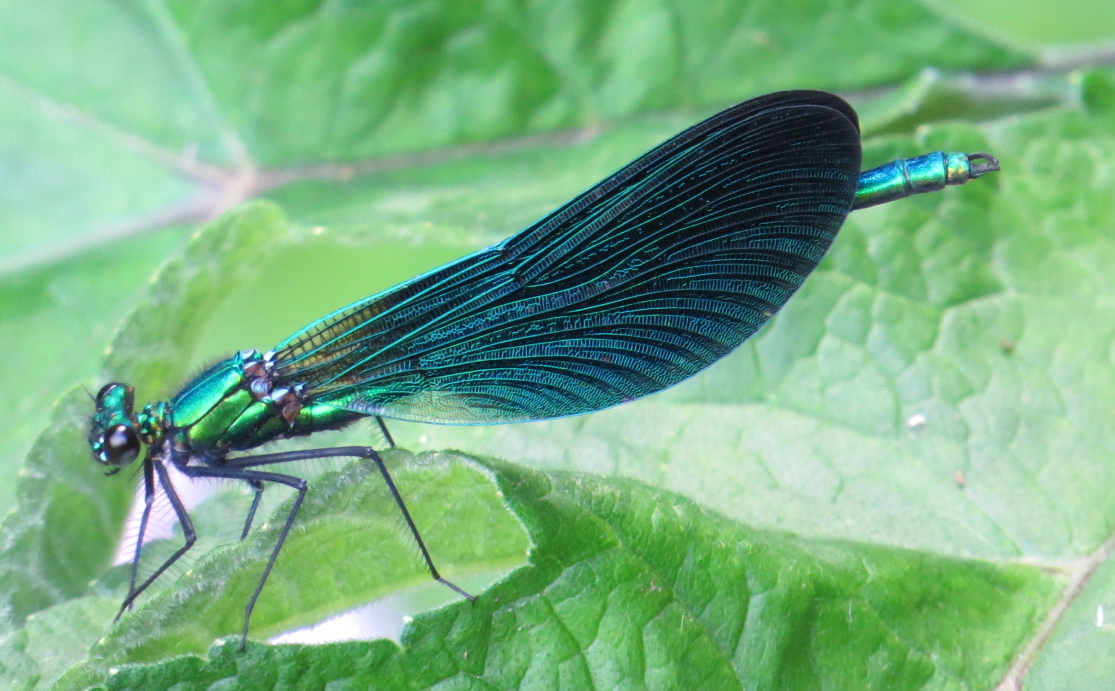 This one was easy to look up. (And be sure to click on the image to get a closer look at the wings.) There are only two damselfly species with colored wings over there. This is the (obviously) Beautiful Demoiselle (Calopteryx virgo), even though this is the male of the species. I found this one in Lustleigh’s small park.
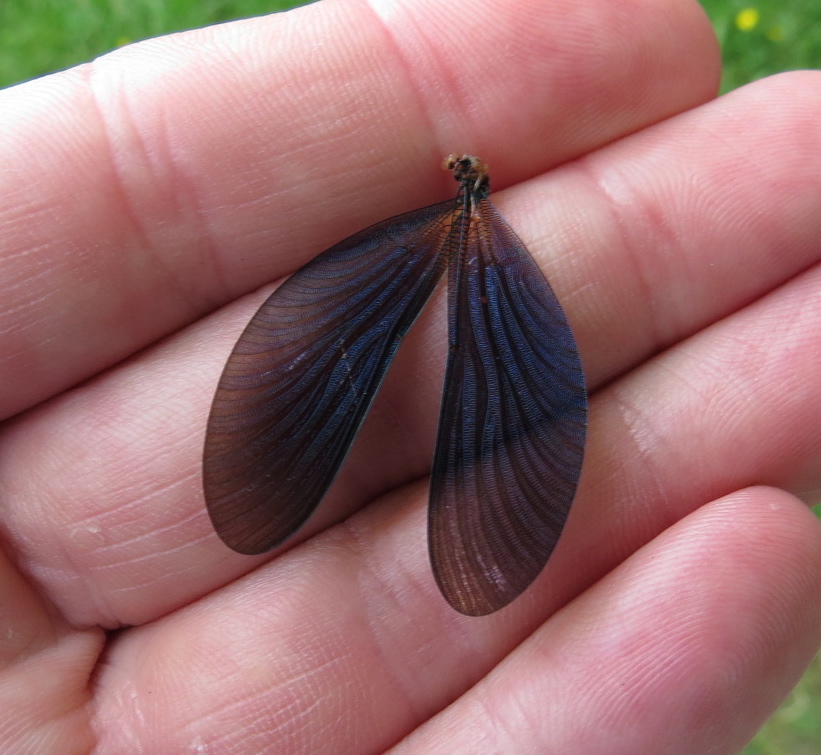 Several days later I came across just the wings of this species at Dartmeet. I wonder what the story here was?
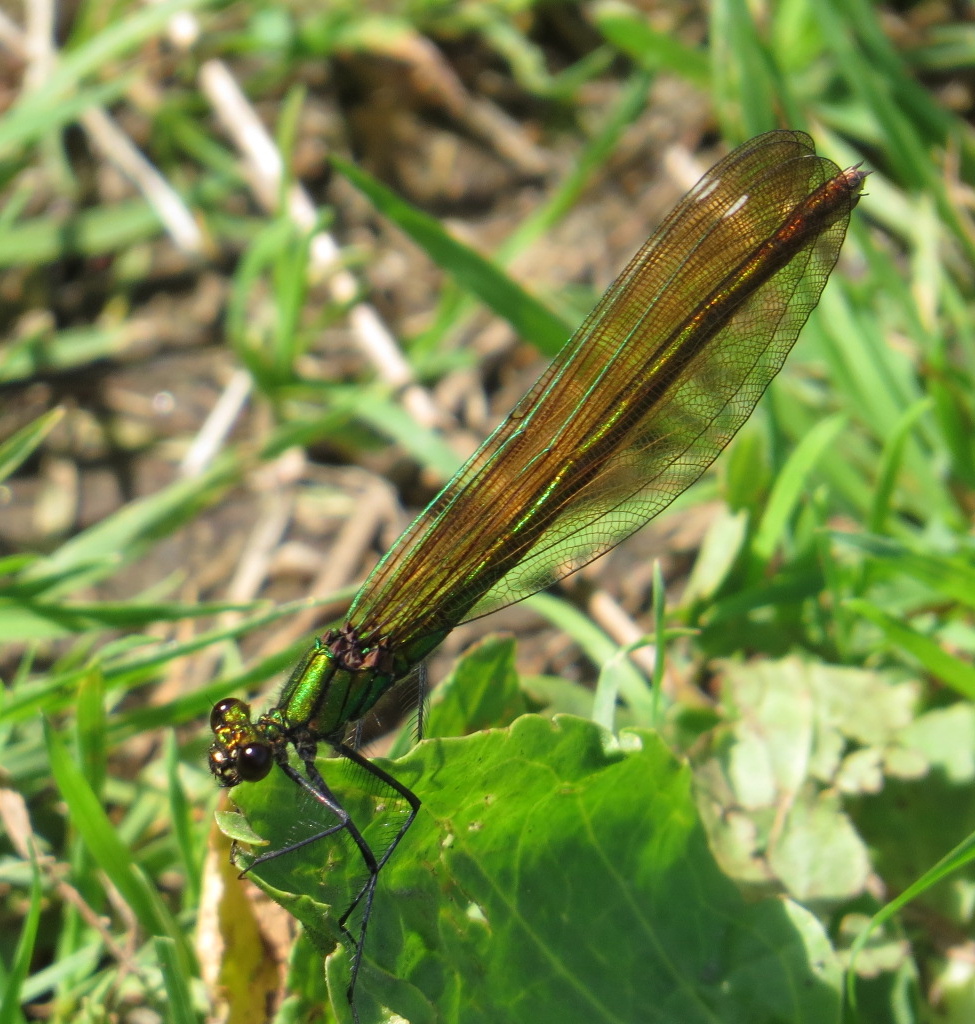 This, seen also in Lustleigh, is the female Banded Damoiselle (Calopteryx splendens), the other colored-wing species.
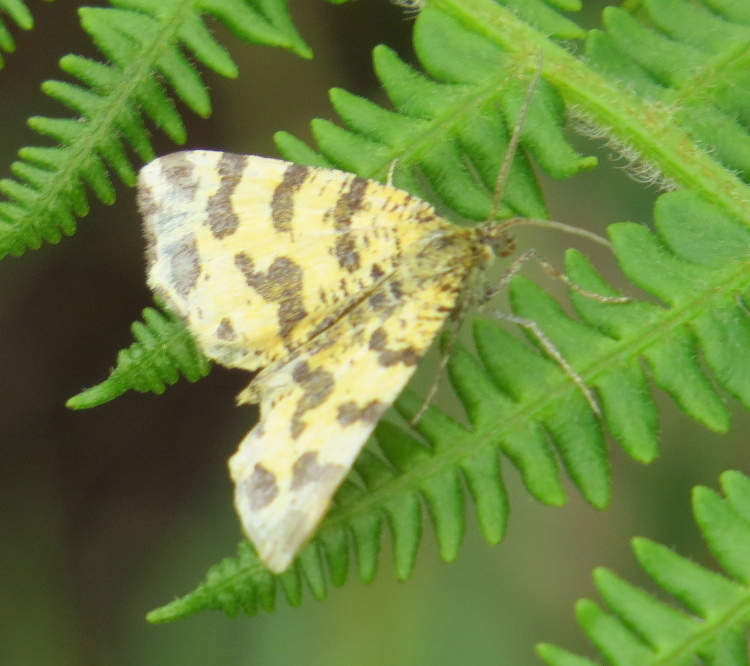
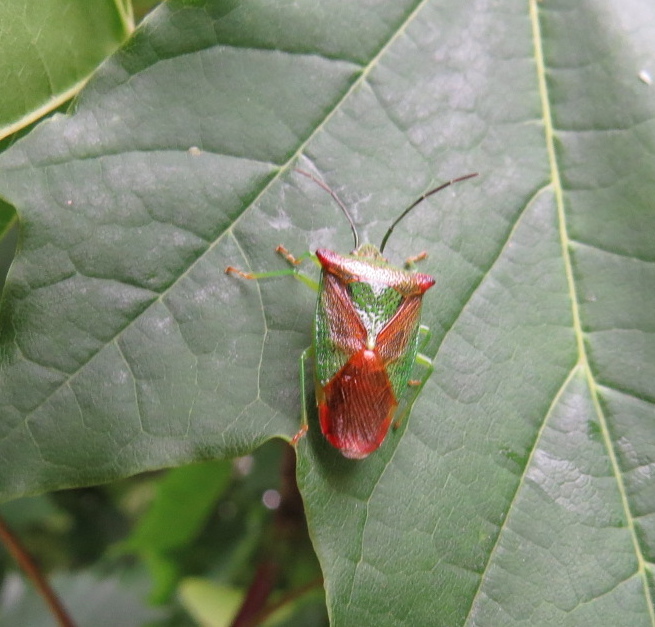
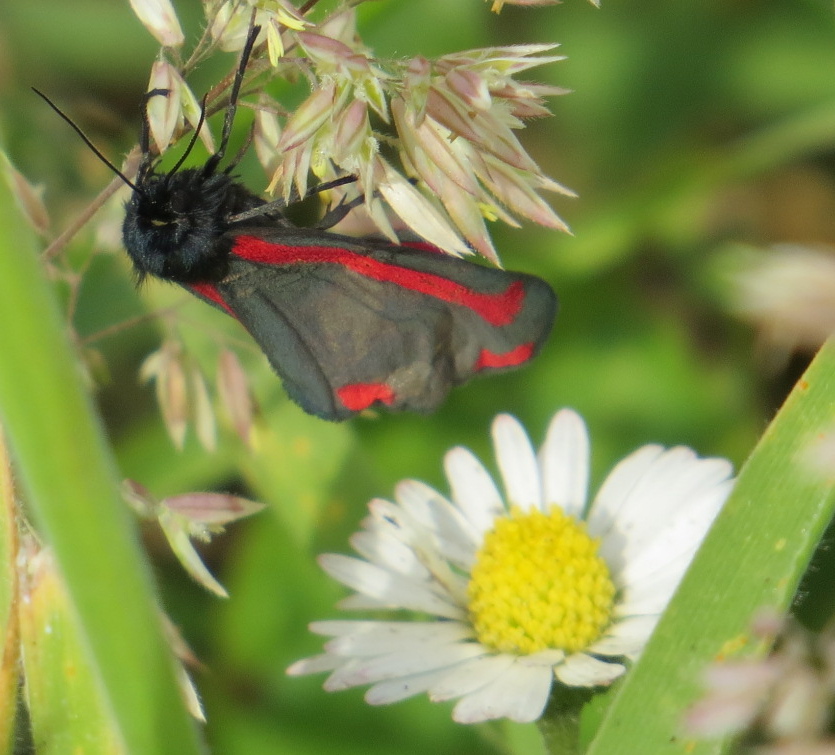
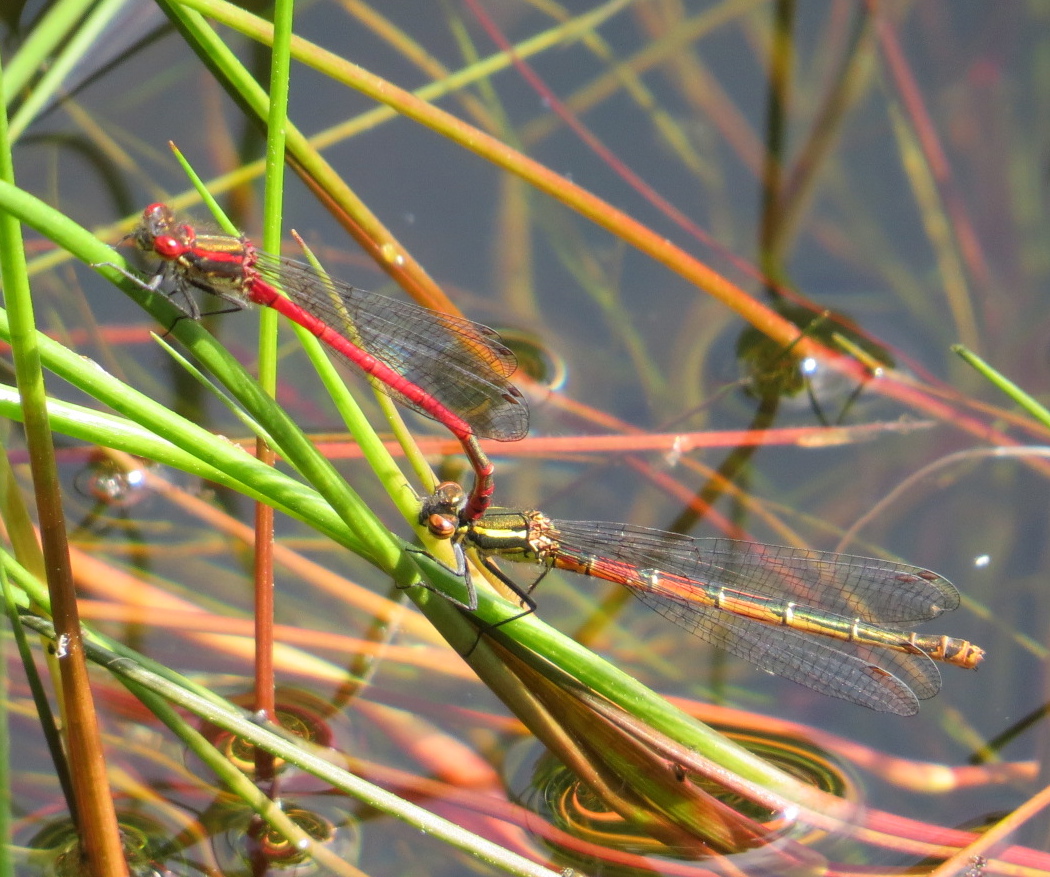 Large Red Damselflys (Pyrrhosoma nymphula), mating at the pond at Yarner Woods. Props to the British Dragonfly Society for ID help on the odes. Feel free to throw in your two pence worth of ID help for the rest of these.
 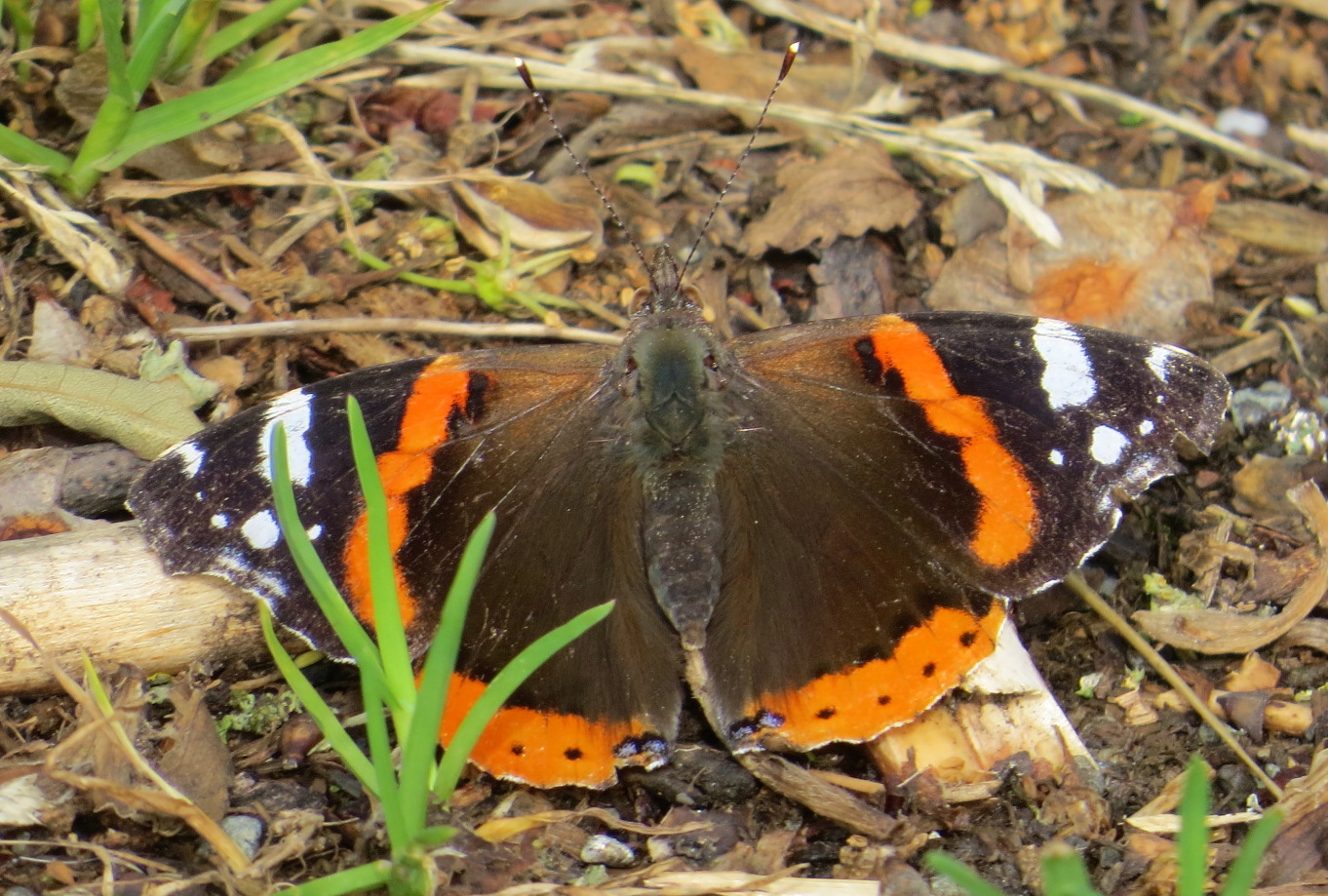 But you need no introduction to the circumpolar Red Admiral (Vanessa atalanta).
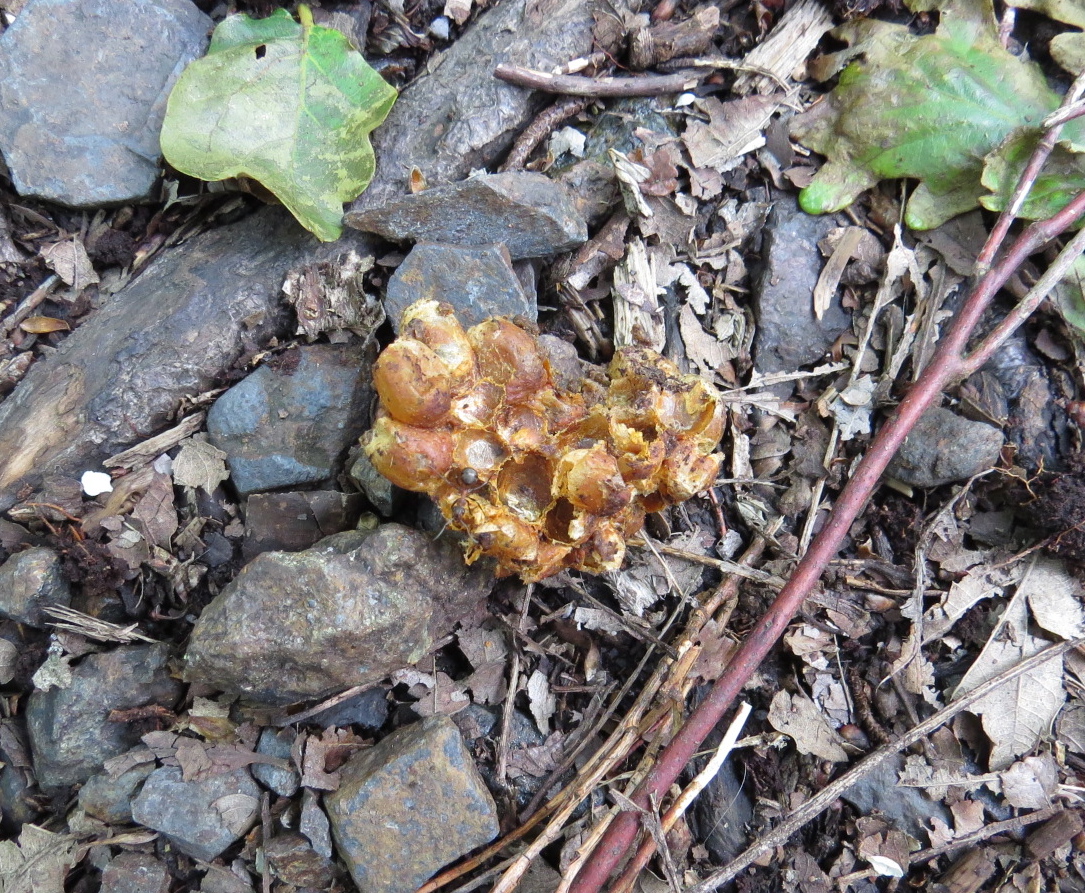 Ant working on some kind of comb, in the middle of the path.

 Backyard and Beyond

Leave a comment