In May of 2011, I got to go behind the scenes at the restoration project at Marine Park, courtesy of NYC Wildflower Week. Two weeks ago, the long-closed path was opened to the public. Things have changed quite a bit since I was last there.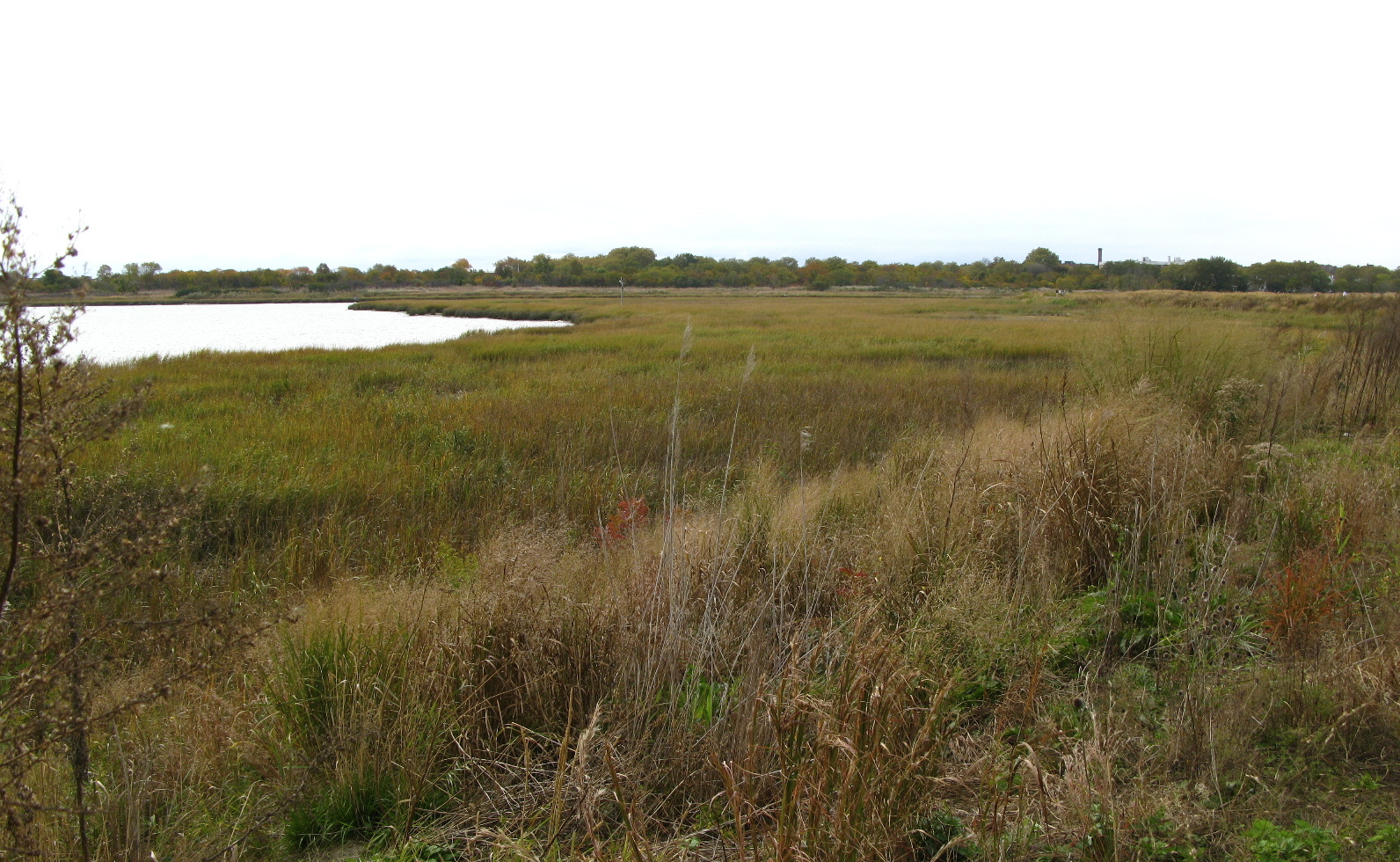 Ladies and gentlemen, we have salt marsh.
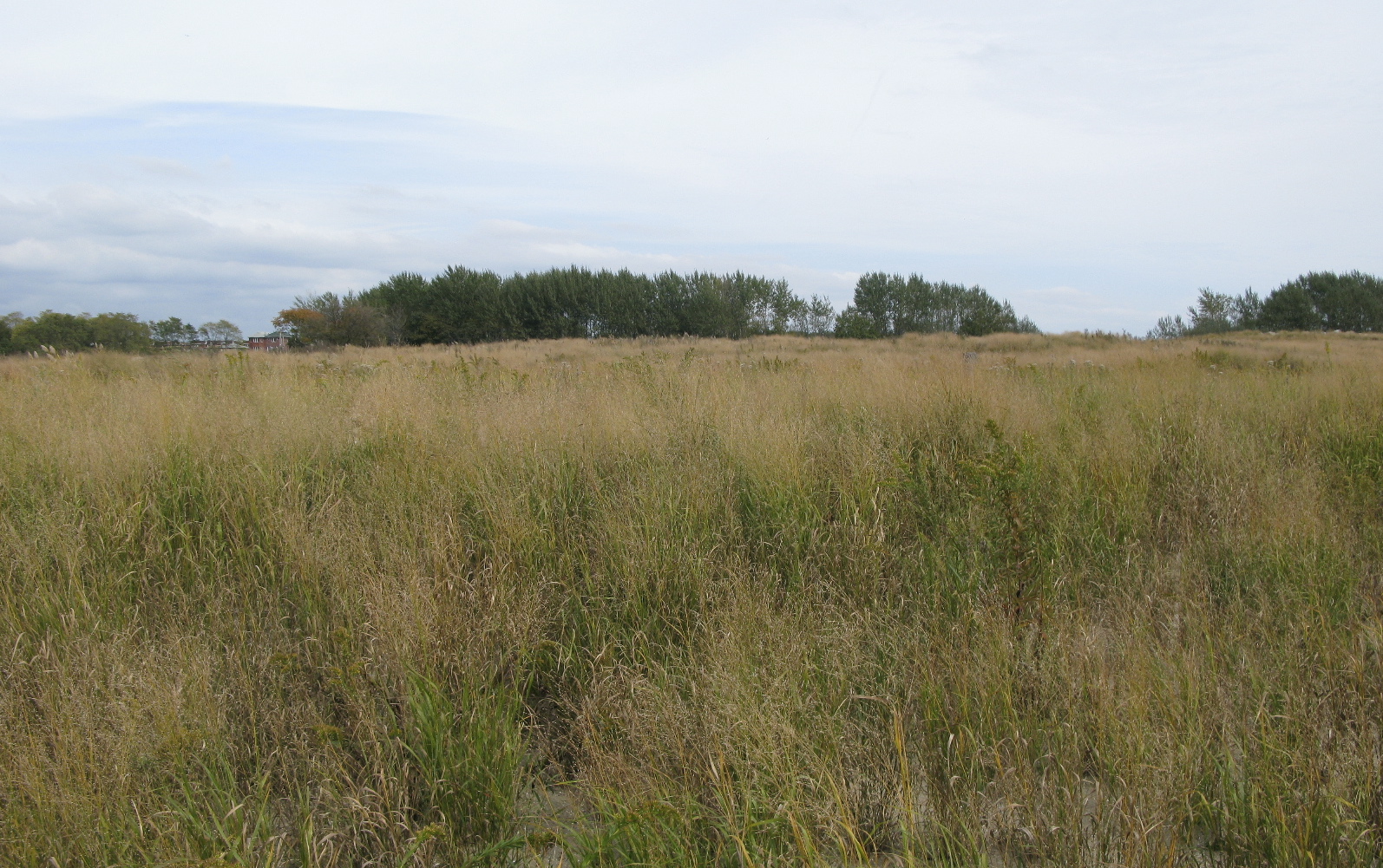 And meadow. Not lawn, but grasslands, broom sedge, switch grasses, and others, up to a yard high at points. This is vital, rare habitat, not just in the city, but throughout the country. This had been a vast dead zone of towering phragmities.
White Island in the center of the creek is still under construction, so the project continues. The western portion of the park remains a trash heap of junked cars and assholes in ATVs, so that obviously needs some work.
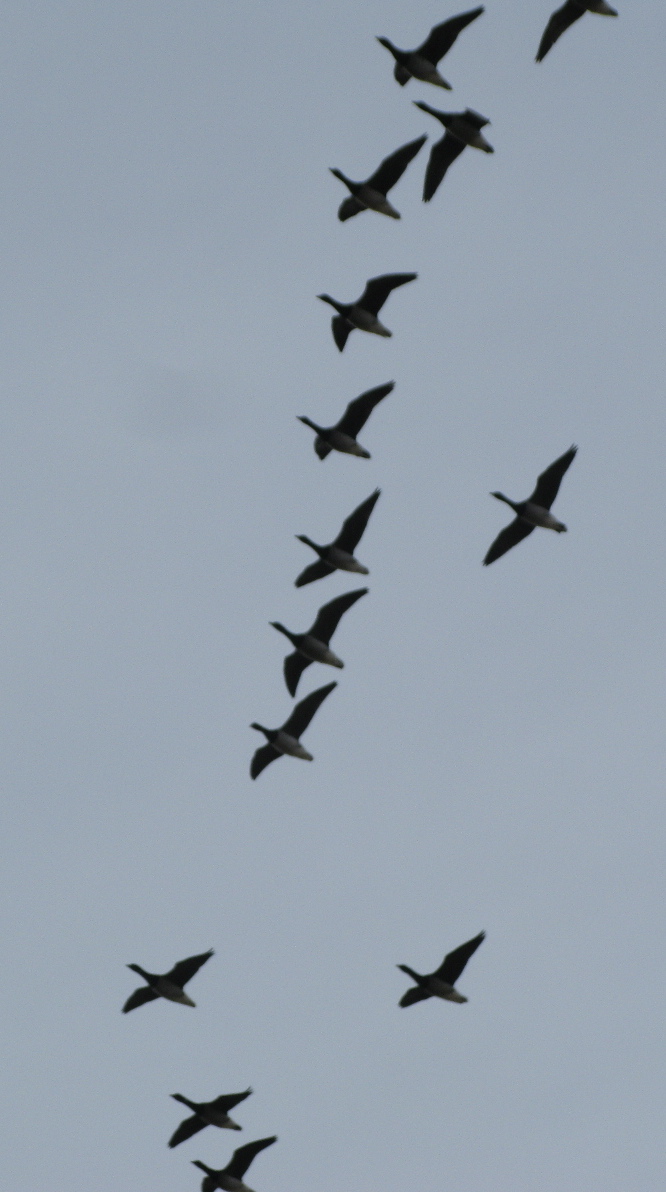 We saw 34 species of birds, including several grassland sparrow species, four butterfly species (and it was nearly November), and two mammal species, including a raccoon washing in the water.
If you build it – after having spent many years destroying it — they will come. This is going to be a great place for birds. People are already planning their Christmas counts here, hoping for species seen in no other place in the city. And there should be some wonderful nesting activity here come spring. A worrisome note: there are no fences along the paths.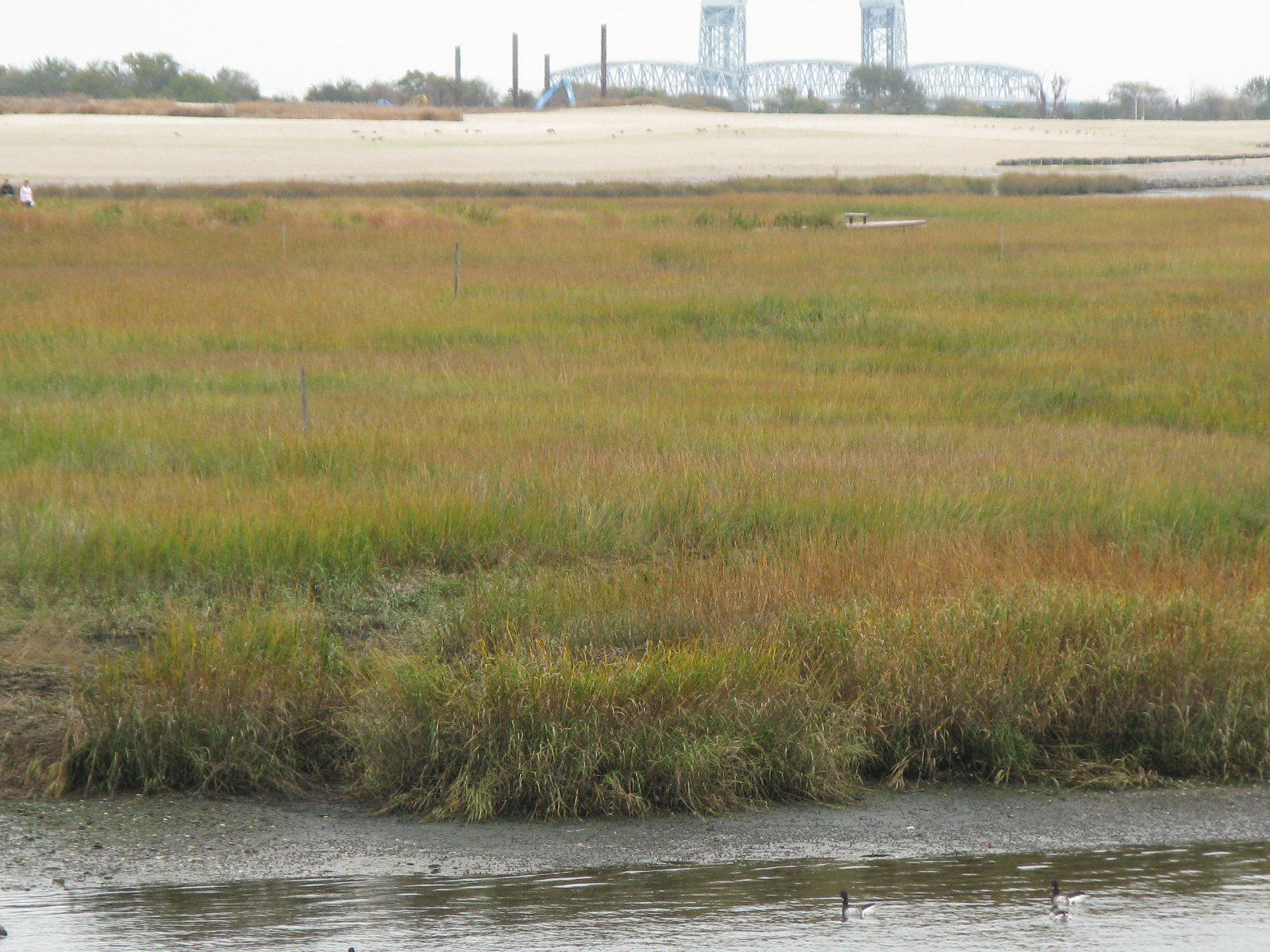 I wrote the preceeding before the storm. A friend who has visited since says it doesn’t look too bad there after Sandy. This should not surprise: salt marshes and wetlands are natural buffer zones. There are some maps making the rounds — I’ll can’t get to them at the moment — contrasting the the city’s flood zones with its historic salt marsh/wetlands border. One and the same. This soggy littoral, and the barrier beaches, were places that should never have been filled in and/or developed. Restoration and redevelopment needs to take this into account. There’s a lot of talk now about hardening the city for the inevitable sea-level rise with sea walls, flood gates, and the like; softening it with oyster reefs, salt marshes, and wetlands is what nature tells us is a better idea.
 Backyard and Beyond
Leave a comment