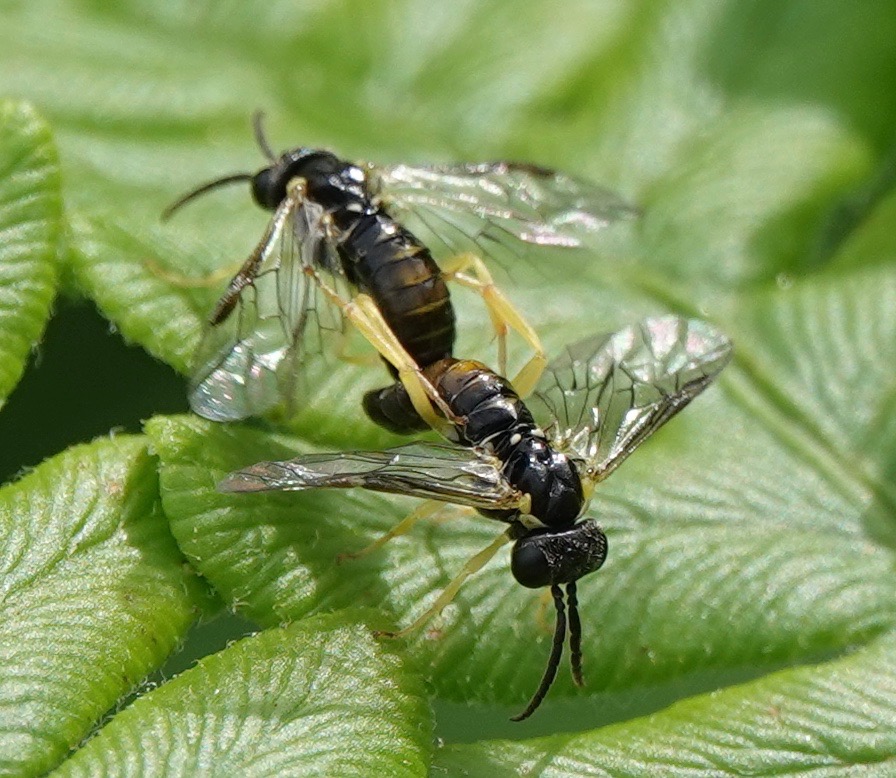
I’m presenting Beyond the Sting: the Wasps of Green-Wood Cemetery tomorrow. So I thought I’d talk wasps this morning to get in practice. These are mating sawflies. There were a bunch on bracken ferns.
Sawflies are the more obscure branch of the Hymenoptera: they’re sometimes called primitive wasps. Note the broad-waists: more typical wasps are narrow-waisted, the famous wasp waist, as are ants and bees, which evolved from more recent wasp lineages.
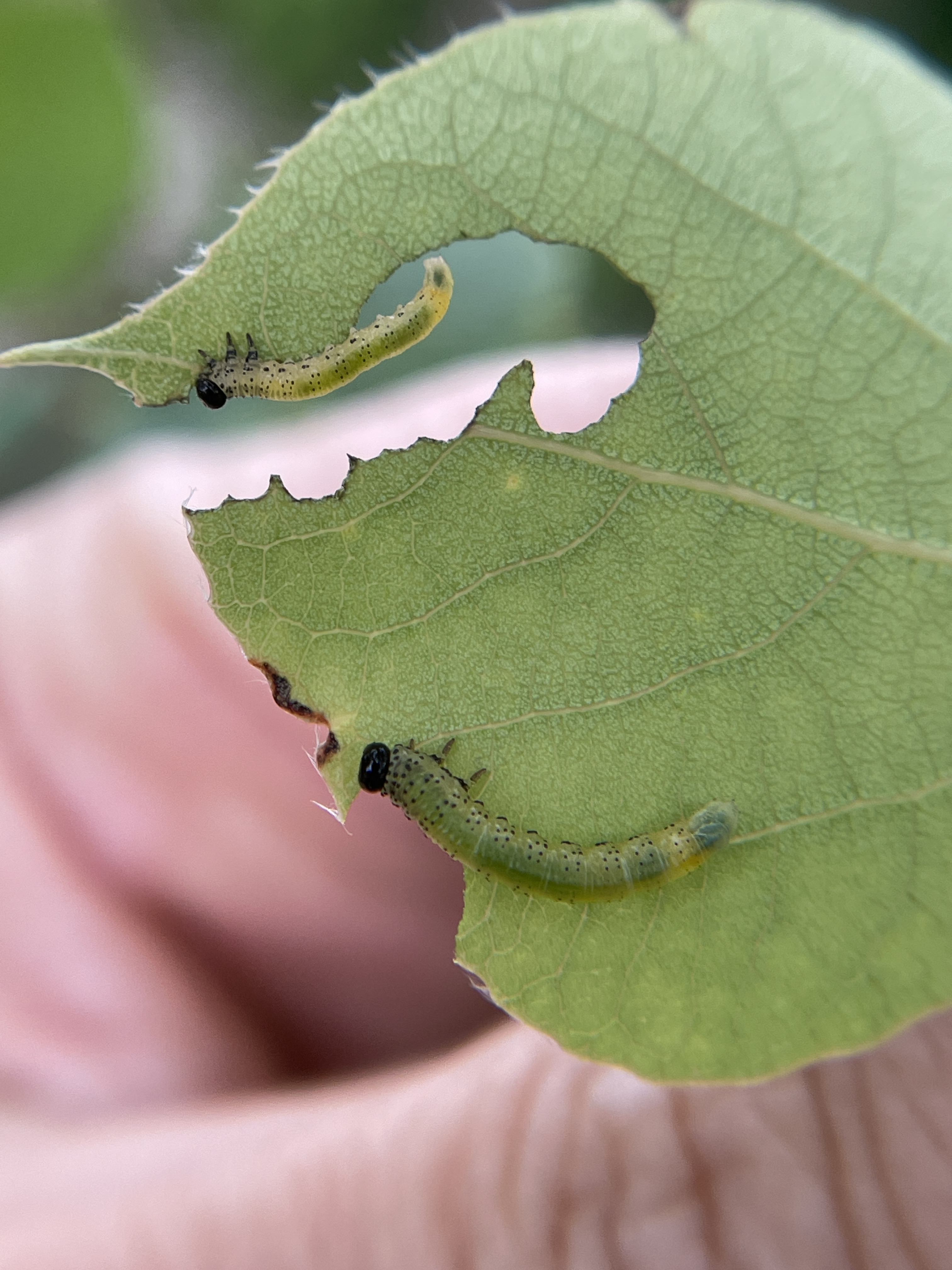
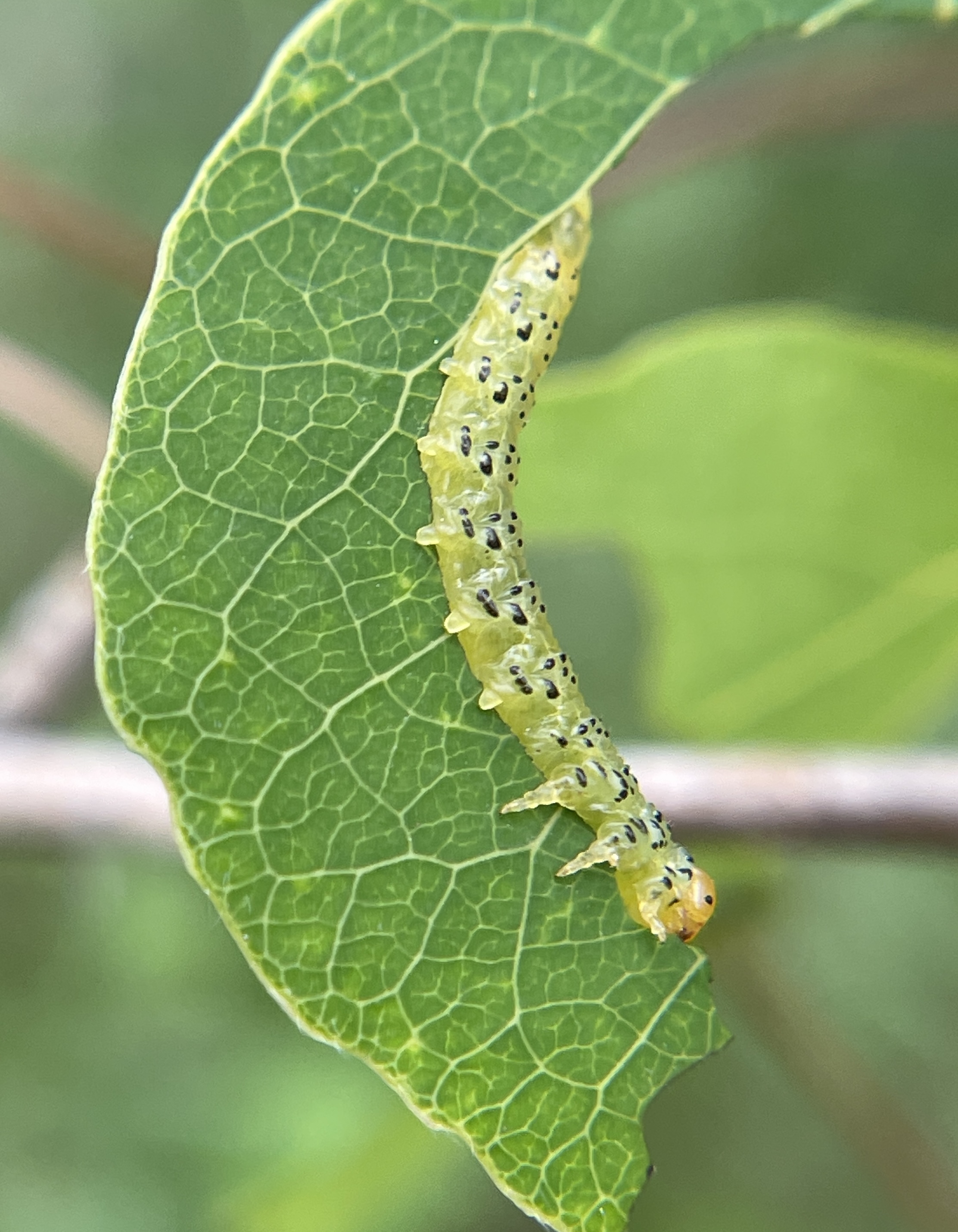
Another characteristic of Sawflies is that their larvae are out and about. These were devouring Quaking Aspen leaves. The larvae of the other wasps (and bees and ants) are more grub-like and typically contained within nests: you will rarely see them. Sawfly larvae have six prolegs, caterpillars (Lepidoptera larvae) have five or fewer prolegs. Sawfly identification is difficult. I can’t get either the mating adults or the chomping larvae to genus.
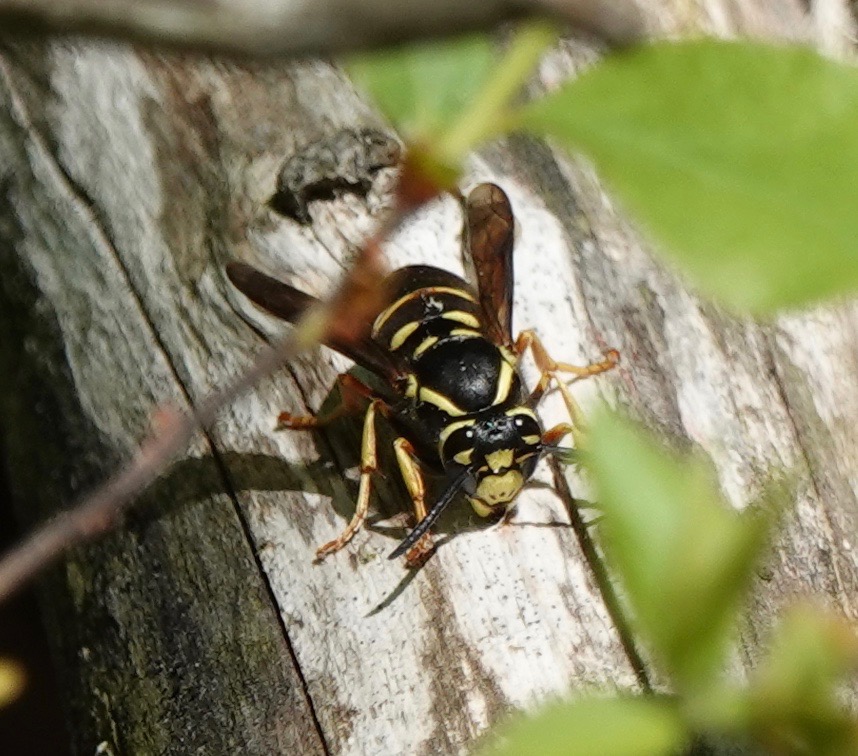
A Widow Yellowjacket/Vespula vidua. Everybody’s idea of a wasp, right? Eusocial, nests underground, or in dead trees or even human-made structures. Doesn’t take an assault on the nest well. This one is scraping up wood fibers for nest construction.
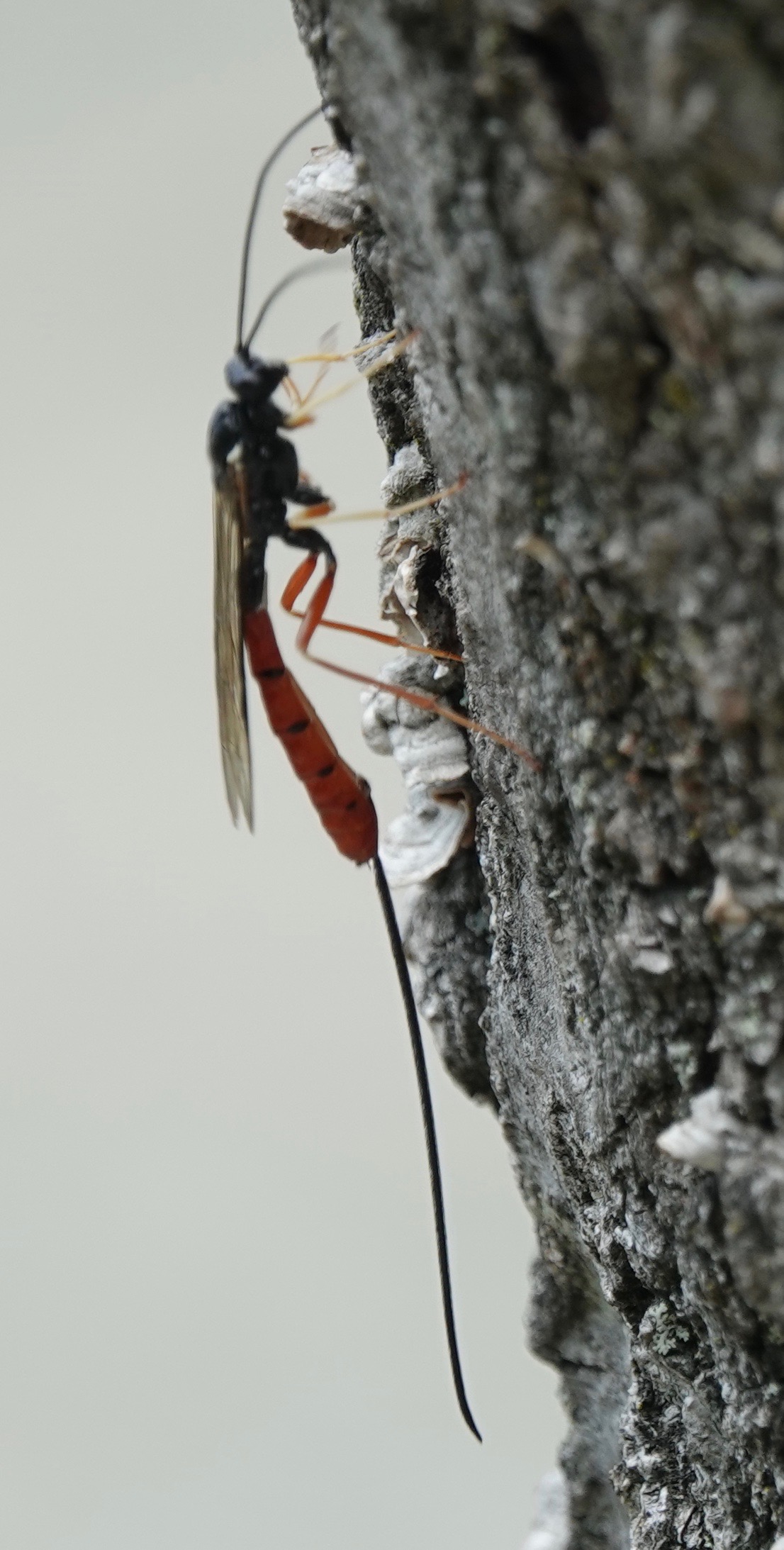
Whoa! Ok, in the social wasps and other “singing wasps,” the stinger is a modified ovipositor, meaning only females can sting. (They oviposit through tiny pores.) In the Ichneumonidae, like this Dolichomitus irrator, the ovipositor is an ovipositor. The length of this suggests she probes it into old wood in search of beetle larvae hosts for her young.
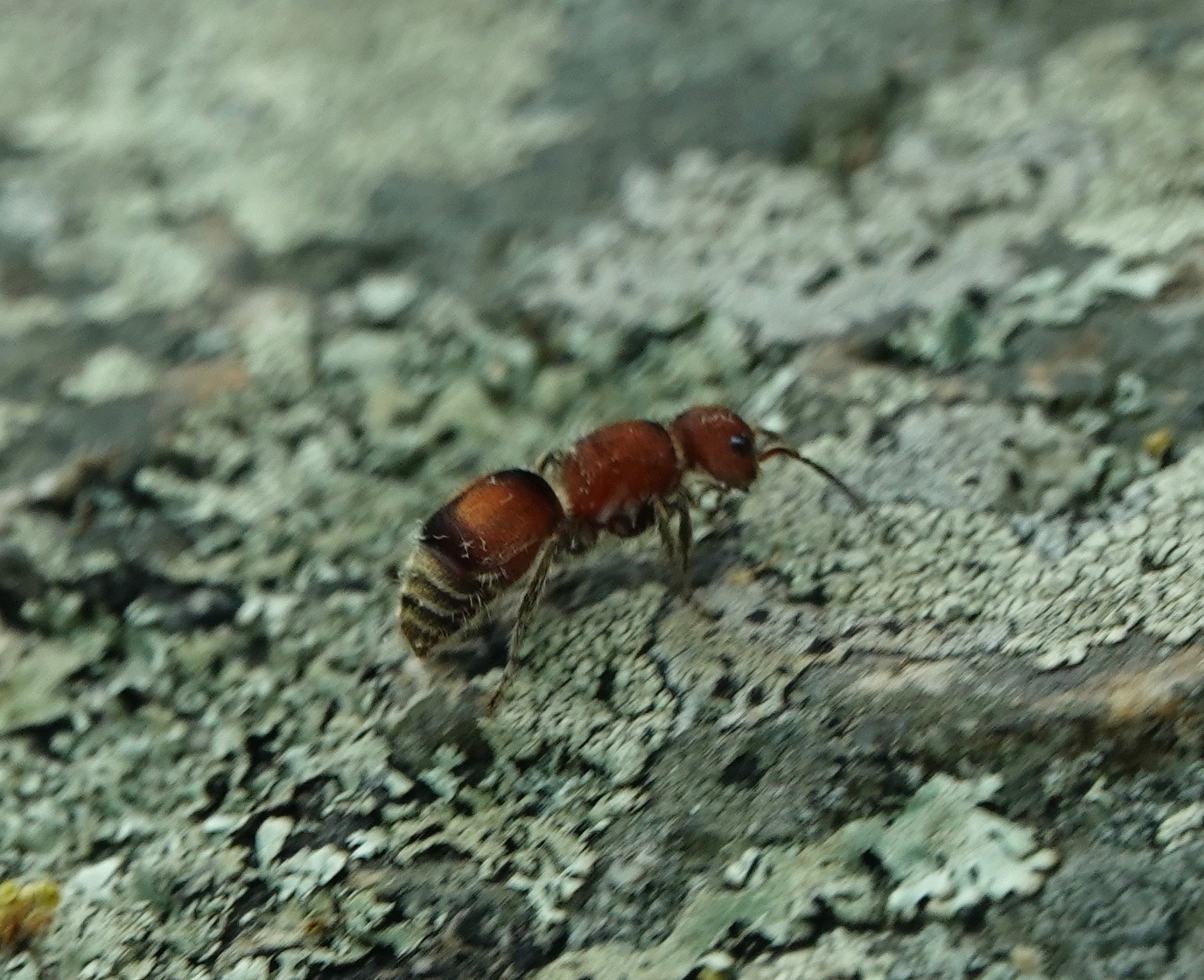
A Velvet Ant, family Mutillidae, which is really a wasp. This is a female. The males are winged and more typically wasp-looking. She scurries around looking for hosts for her eggs, gruond-nesting bees in the case of this species, Pseudomethoca simillima. This photo was taken on Bear Mountain, but this species is, surprise, found here in Green-Wood as well.


Leave a Reply