Backyard and Beyond

Starting out from Brooklyn, an amateur naturalist explores our world.

As John Burroughs said, “The place to observe nature is where you are.”

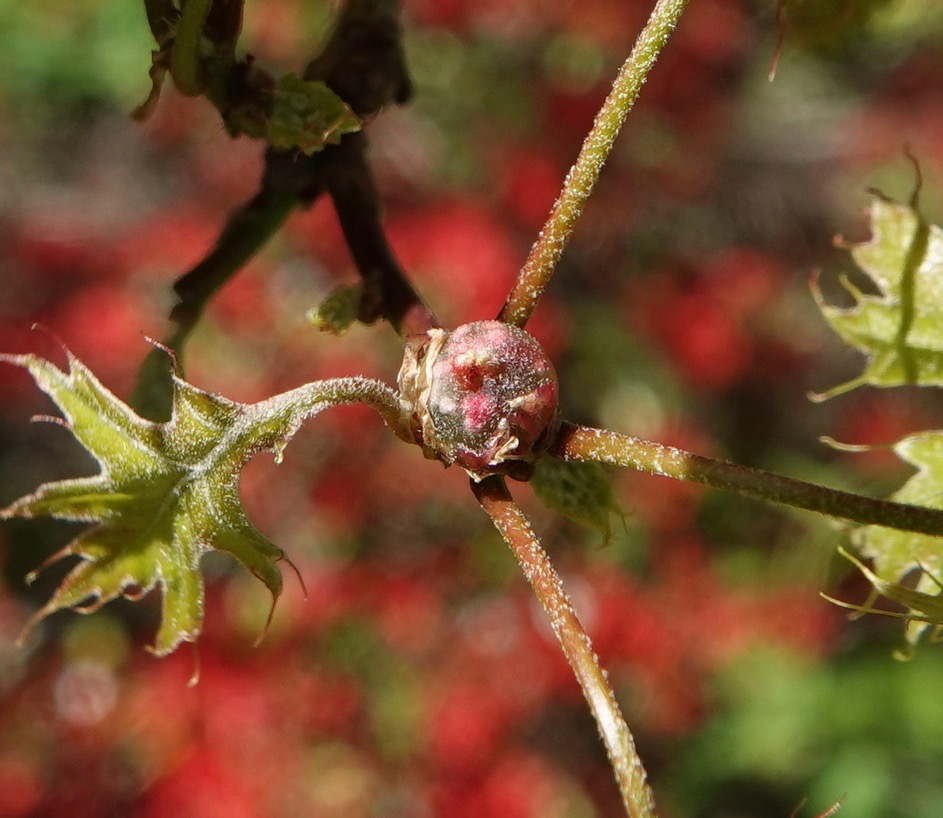
Spring Galls

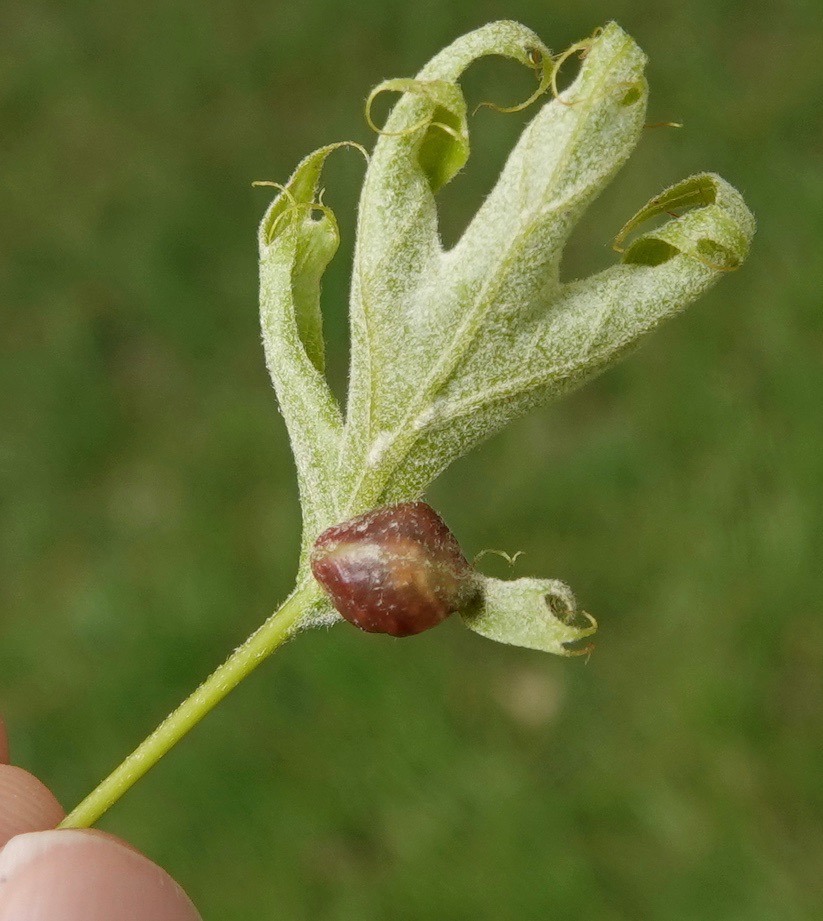
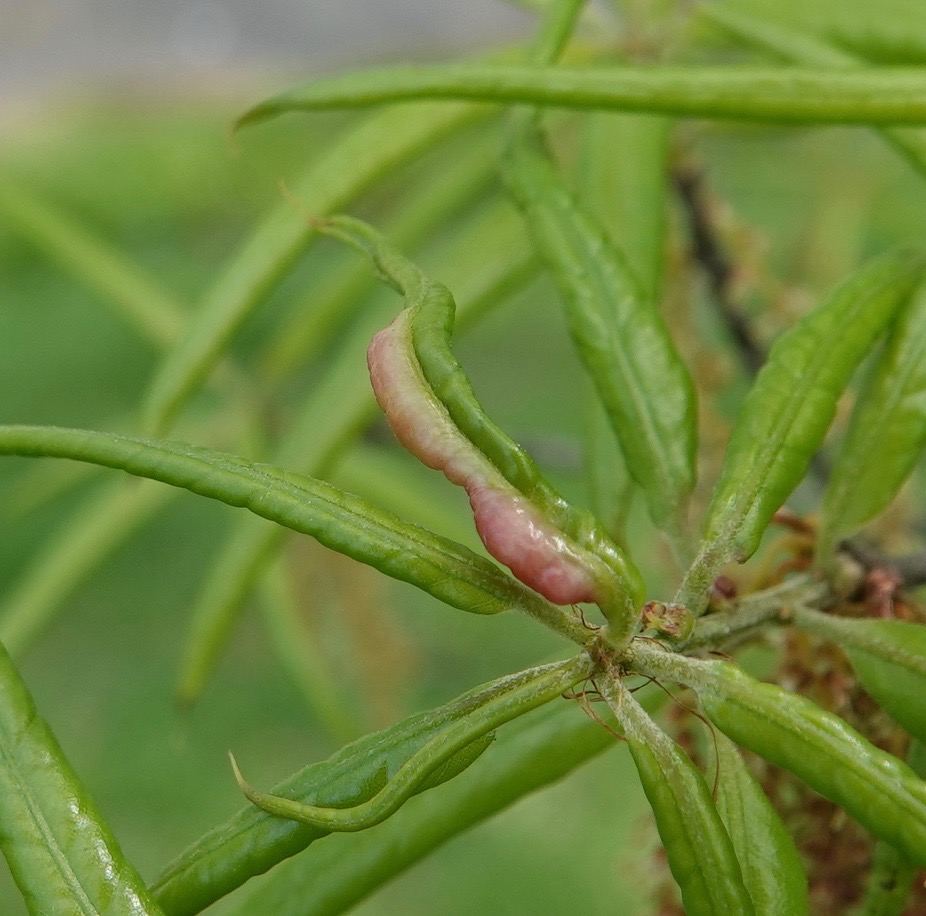
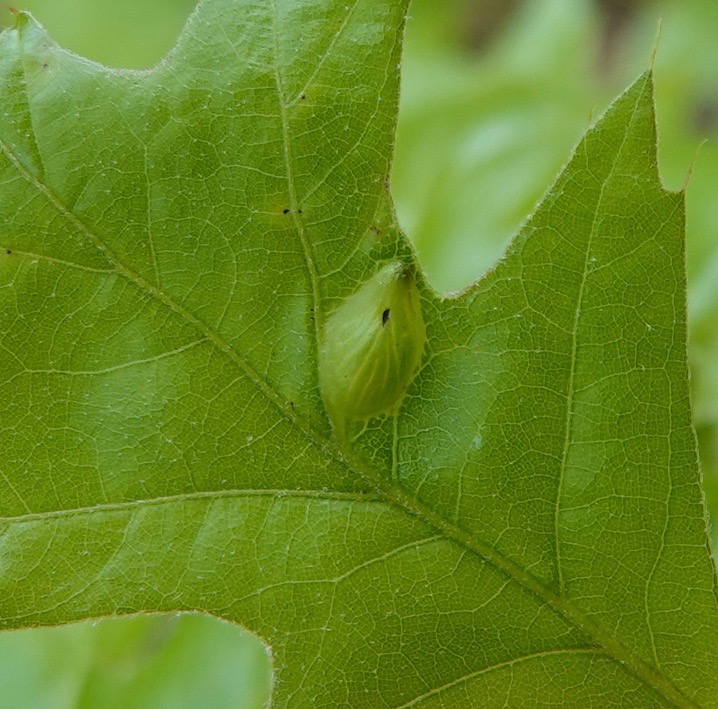
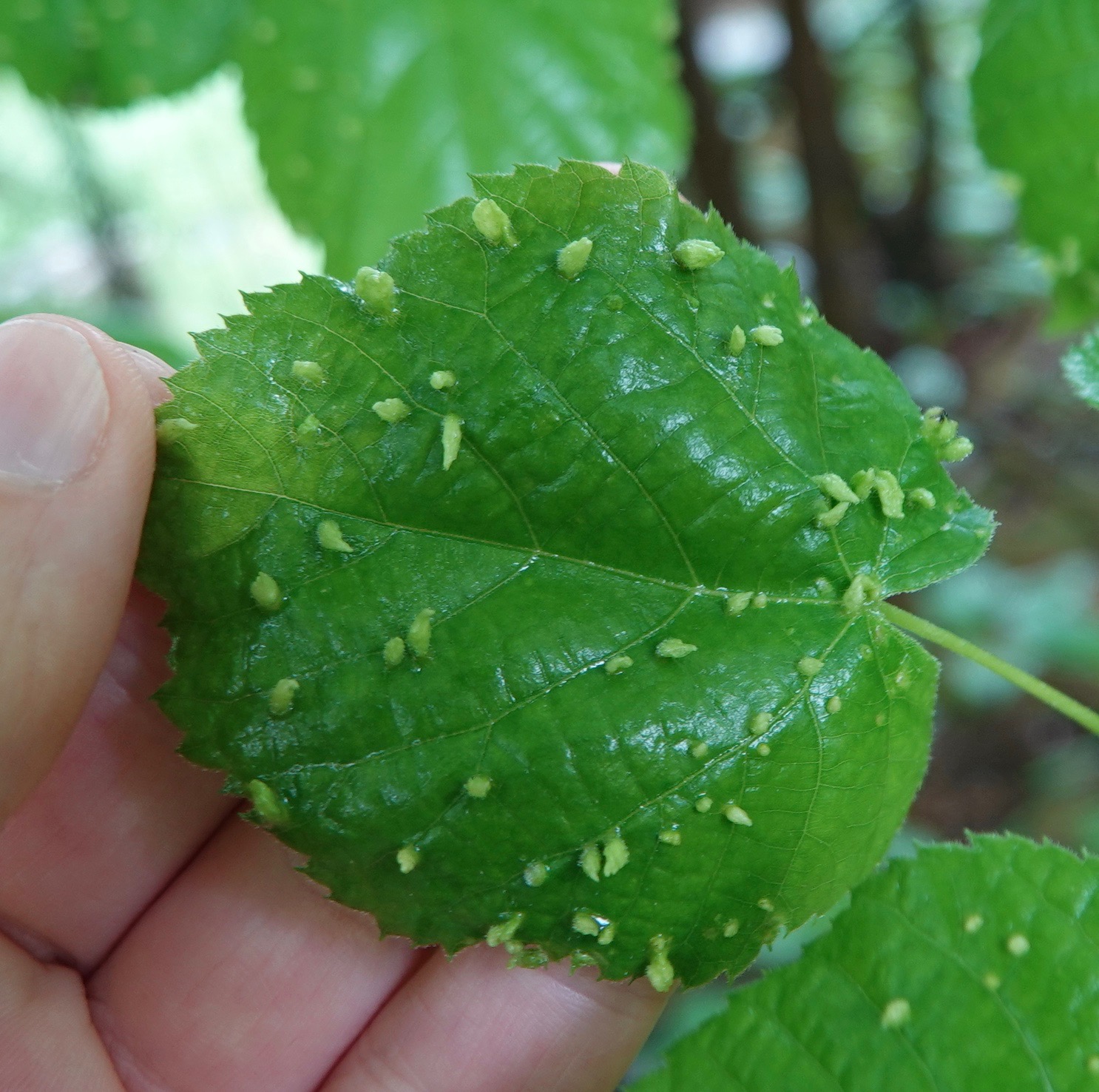
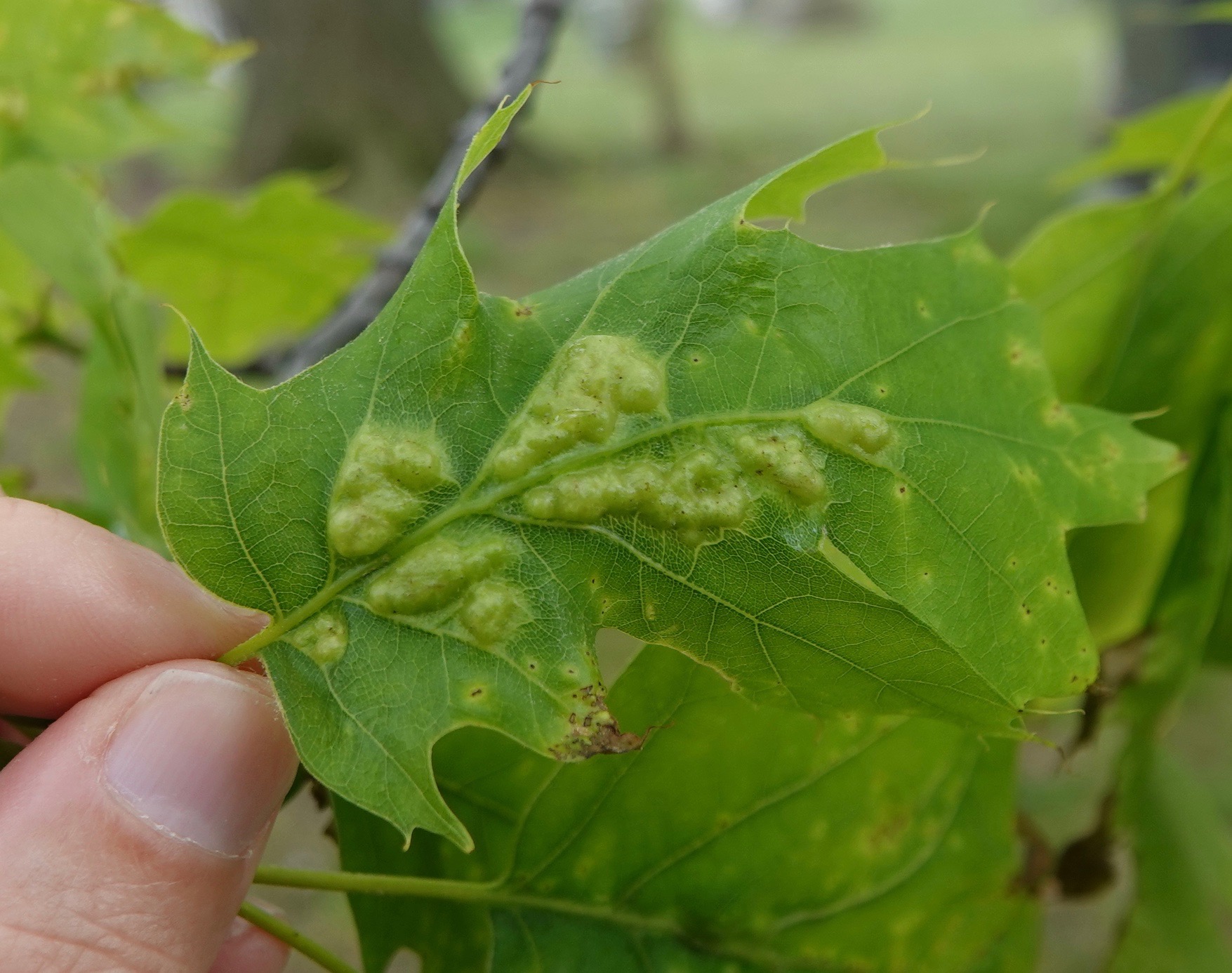
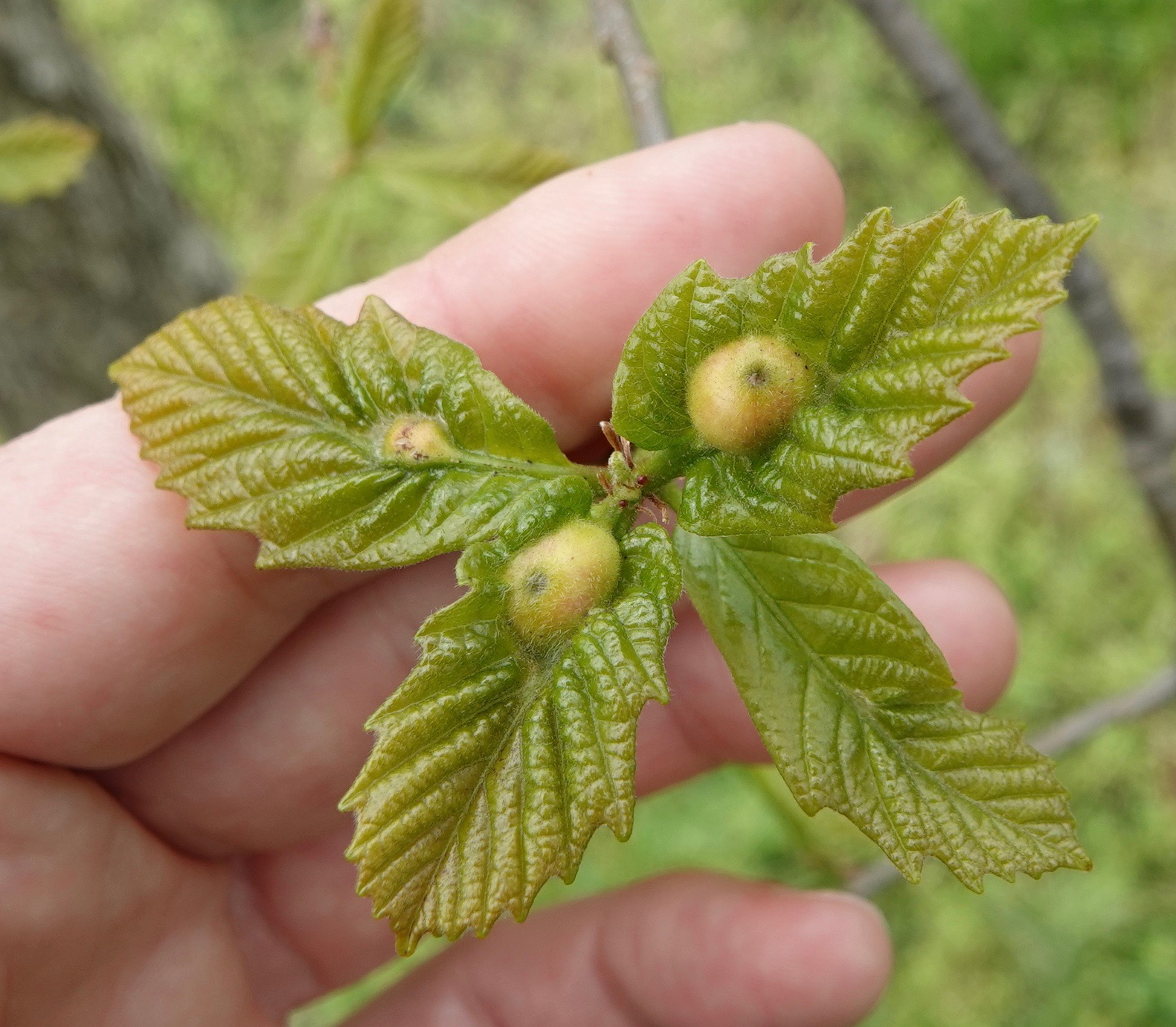
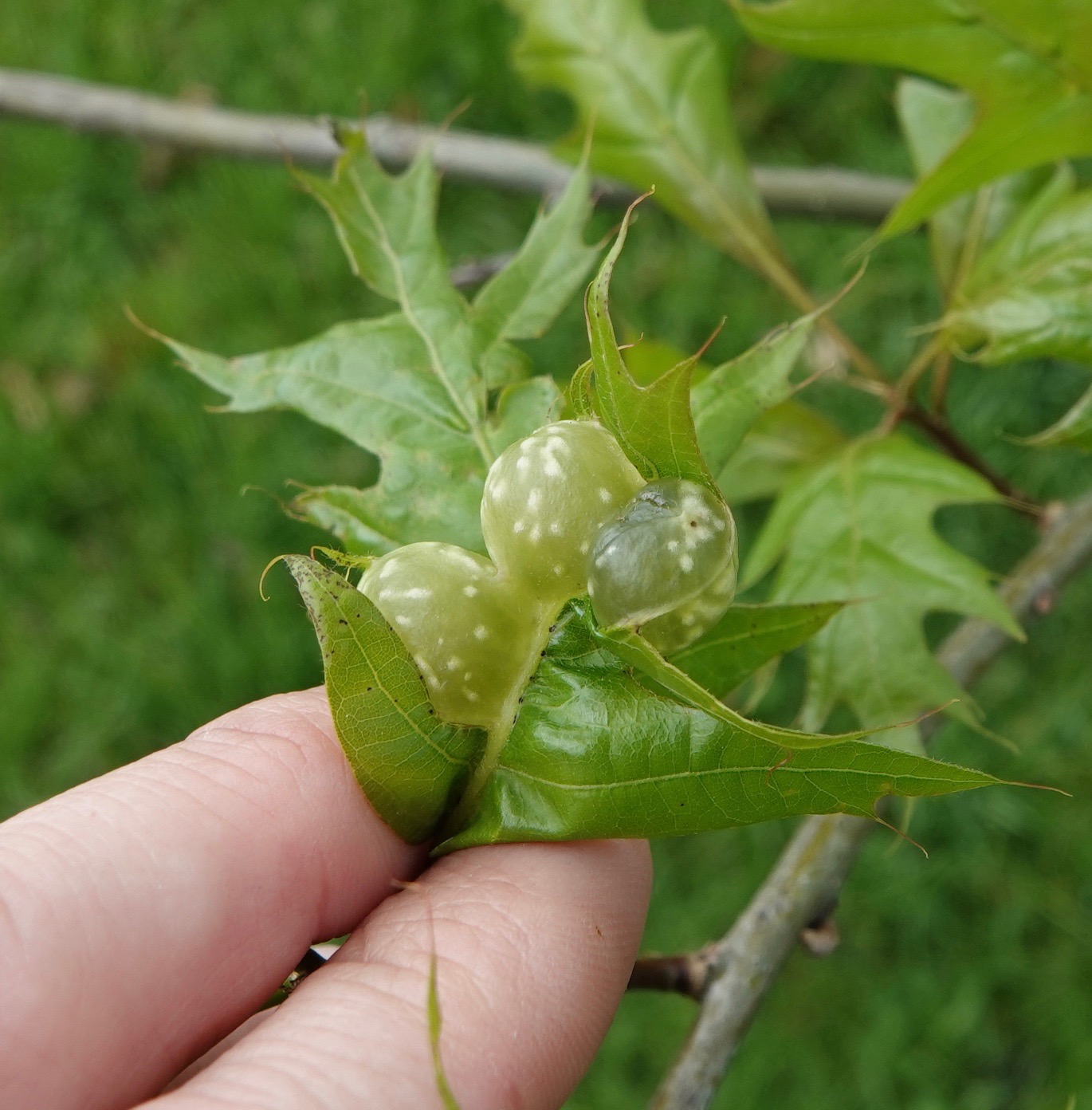
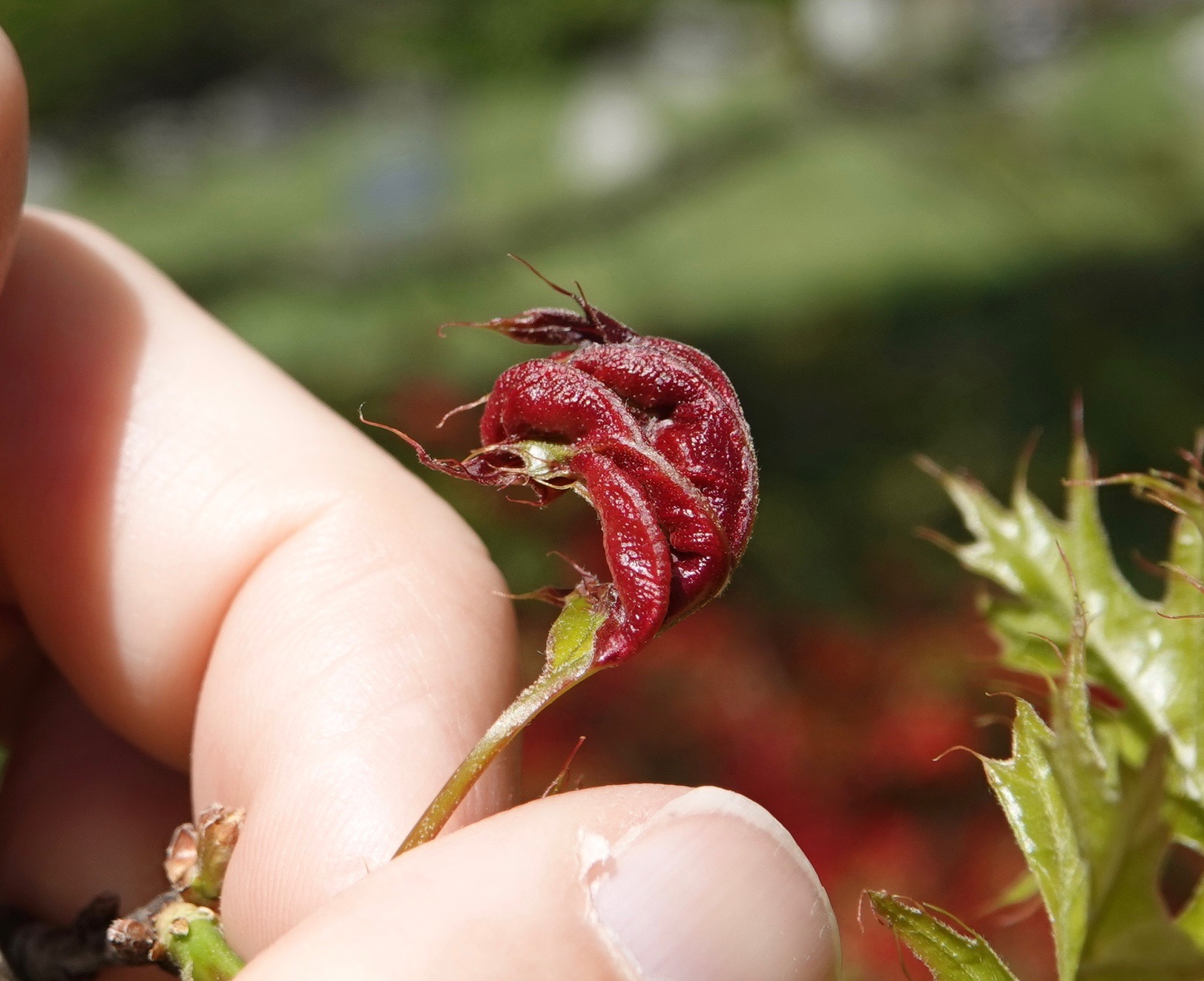
In galling, an inducer (wasp, midge, mite, etc.) forces the plant to produce extra tissue, usually an encompassing form which shelters and feeds the inducer larva(e). Galls are generally unique to the inducer/induced. Here’s a short explanation of a complex subject.
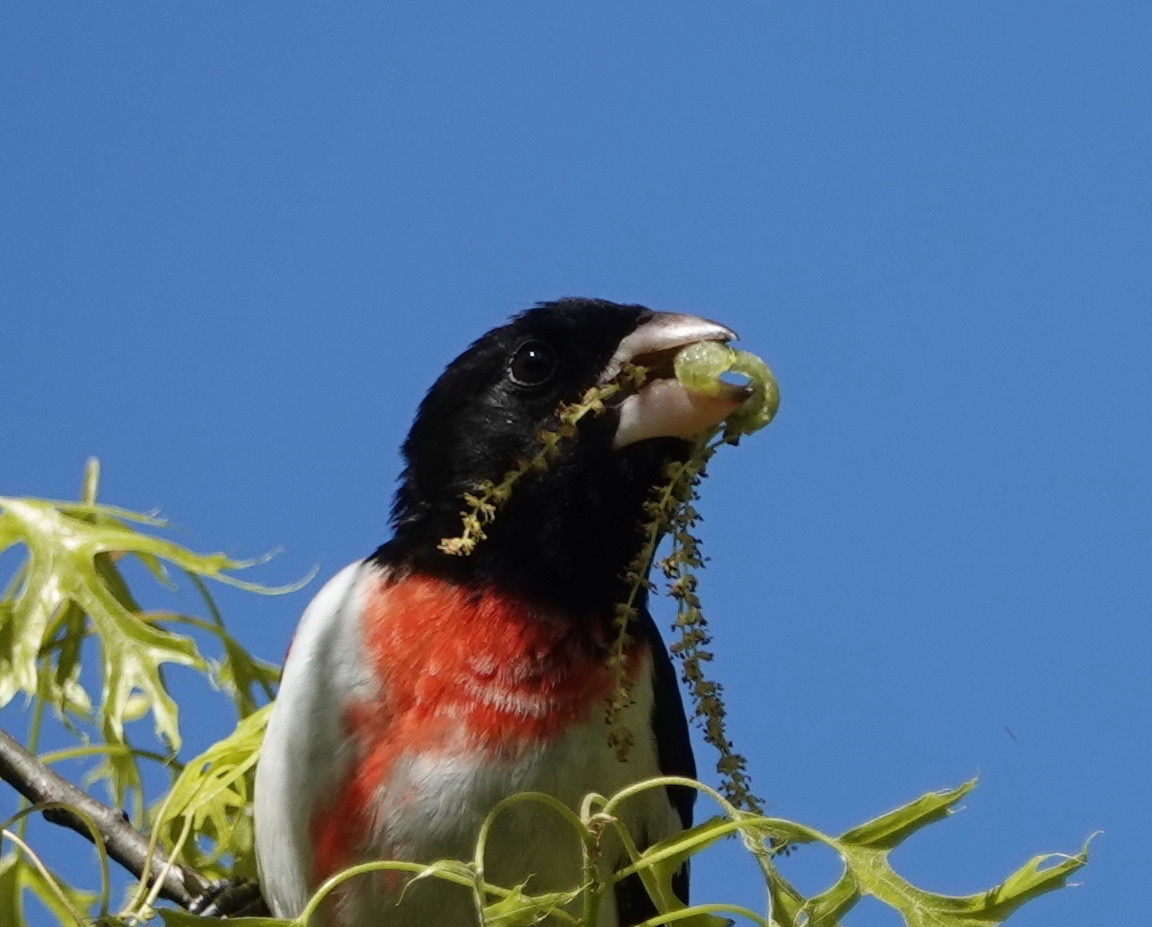
One of the most common galls found here now is the Succulent Oak Gall Wasp (Dryocosmus quercuspalustris), which affects trees of the red oak group. This is a Rose-breasted Grosbeak in a Pin Oak (Quercus palustris; note the wasp’s binomial), eating one of these galls growing on the flowers. I hadn’t seen this before. But there is protein in there.
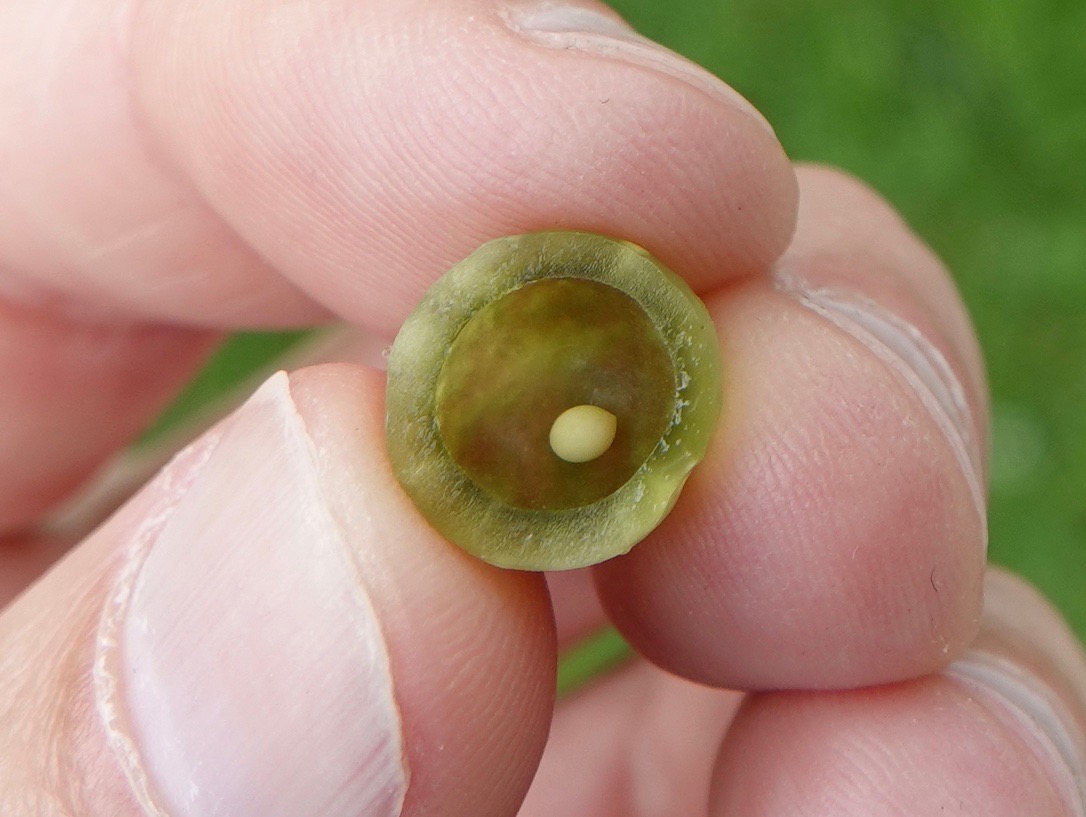
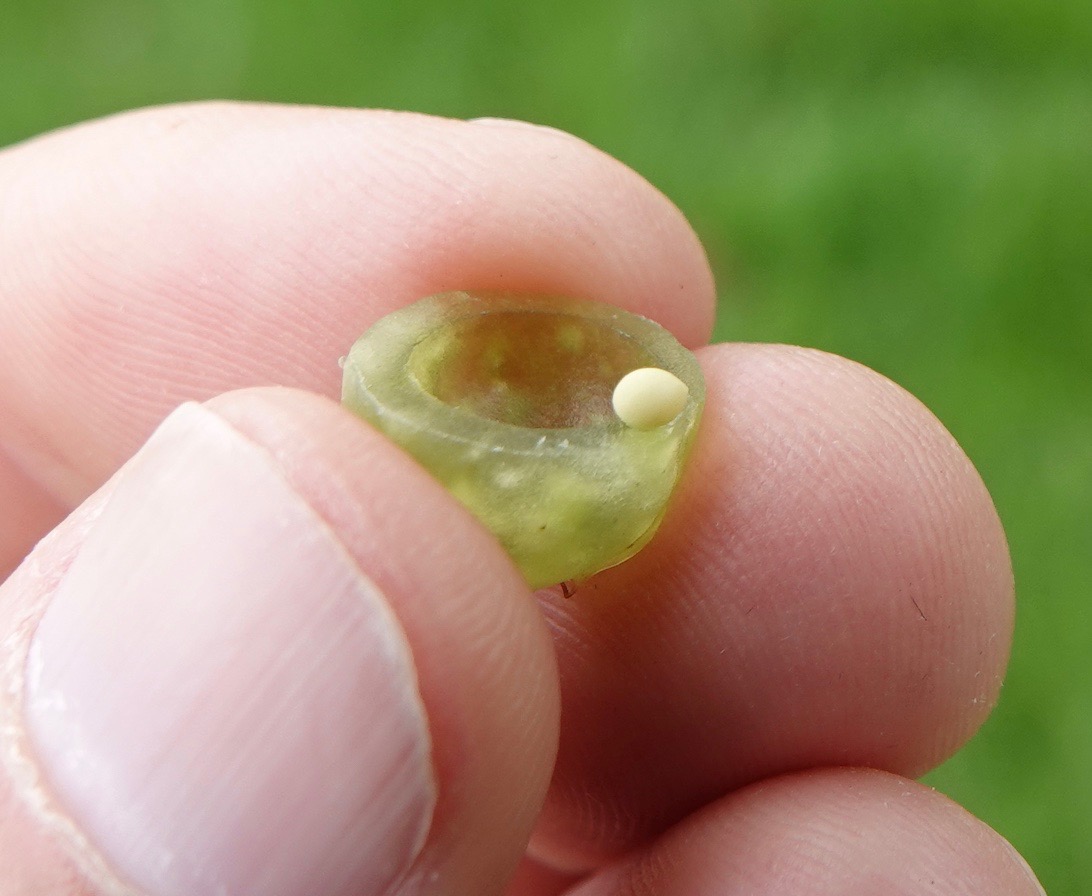
Since Succulent Oak Gall Was galls they’re so common, I cut through one.

I’ve found at least 86 species of gall-inducers here in Brooklyn, amongst a rather depauperate and heavily invasive biota. I say “at least” because I’ve come across a few that have not yet been described. Check out the ever-expanding gallformers.org database.

One response to “Spring Galls”

  1. Chuck McAlexander

    I always thought RBGrosbeaks were frugivores. I can imagine a scenario where the grosbeak mistook a gall for fruit and prosperes from the protein. I wonder, though, whether they think sweet and fruity or umami when they see a heavily galled tree.

Leave a reply to Chuck McAlexander Cancel reply