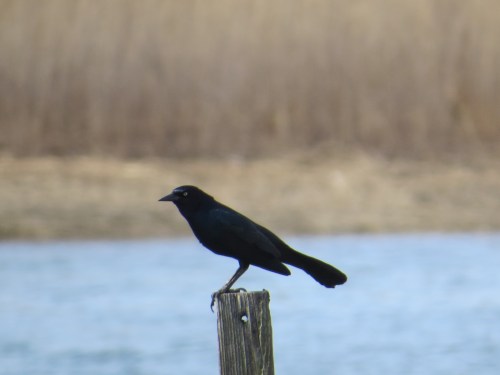
 Sure they’re cool to look at and some of them are beautiful singers. But why the hell should anyone who doesn’t like or care about birds give a damn about them? I mean, who cares if one or a hundred species go extinct, there are still 10,000+ left, right?
As spring migration warms up, let us just look into the matter.
Let’s start with birds as vectors of seed transportation. Mixed with the mud on their feet or emerging out out their business ends in runny streams of excrement, birds have and continue to spread plants around the neighborhood and the world.
And while we’re on the topic of end results, there’s also guano, one of the great natural fertilizers. If you’re eating organic food from Peru, it may have been fertilized with bird shit, which is so much better than the hydrocarbon-based fertilizers used by industrial agriculture. I wrote about the fascinating history of the guano industry for JSTOR Daily yesterday.
Birds are good for you health. In a very roundabout but very real way, they help control disease. Take rabies, for instance. When all those vultures in India were killed off by a veterinary drug given to cattle, wild dog populations boomed because of all the corpses that couldn’t be scavenged anymore by decimated vulture populations. Rabies runs riot now in India.
Or take Lyme disease (please!): the life-cycle of ticks require big populations of small mammals, like mice. A big source of food for these mammals in the woods are acorns. When there were millions of Passenger Pigeons, the birds were fierce competitors for acorns. There are no Passengers at all now, and mice populations have one less major competitor. Lots of mice, lots of ticks. Unfortunately, the life-cycle of a tick also includes large mammals, and today Lyme and other tick-borne diseases are a huge problem. 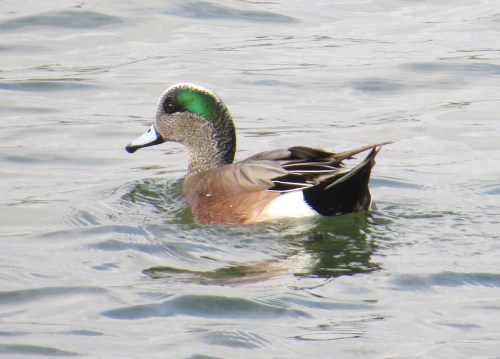 While we’re on the subject of eating, birds can consume tons of insects. Without them, we’d be up to our armpits in caterpillars and other crawlies and fly-ies. This may be enjoyable, for a while, but not, I think, too long. Also, they’d probably eat everything green leading to a population crash that is gonna smell something awful.
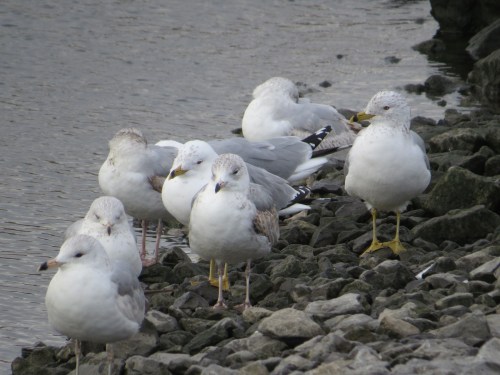 And of course, since they have the same genetic foundations as we do, birds tell us a lot about ourselves. In our ignorance and self-centeredness, we’ve long dismissed these fellow earth-passengers as “bird-brains,” automatons, definitely “lower” than the mammals, certainly the apes; but we’re finally coming to understand just how sophisticated birds really how.
*
If you made it this far and want another advertisement for good ol’ Planet Earth, WNYC’s Amy Pearl made this short video with me.


Leave a Reply