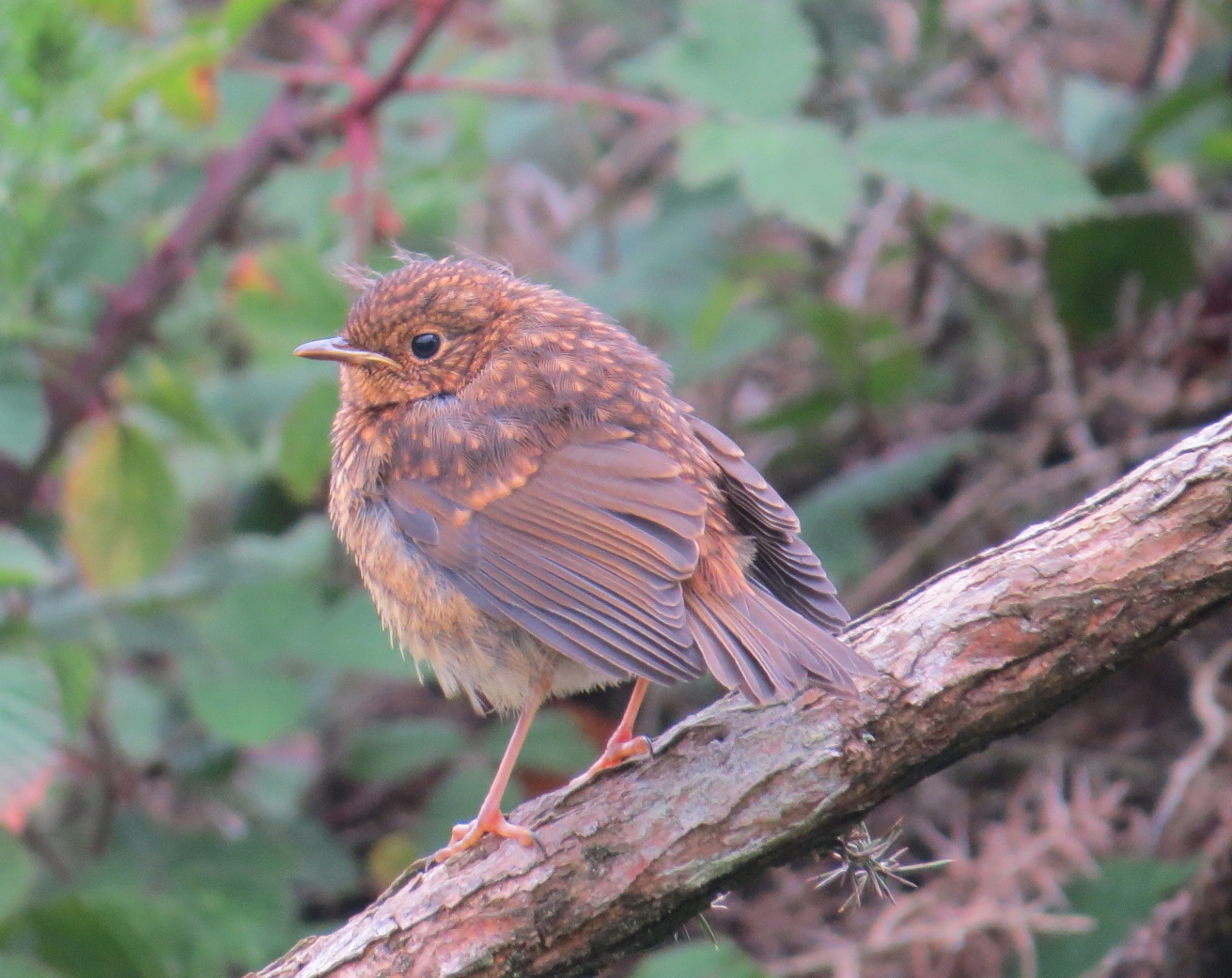
 A fledgling Wren (Troglodytes troglodytes). Wrens are the most common species of bird in the UK. I heard them everyday, but saw them much less frequently. Sly.
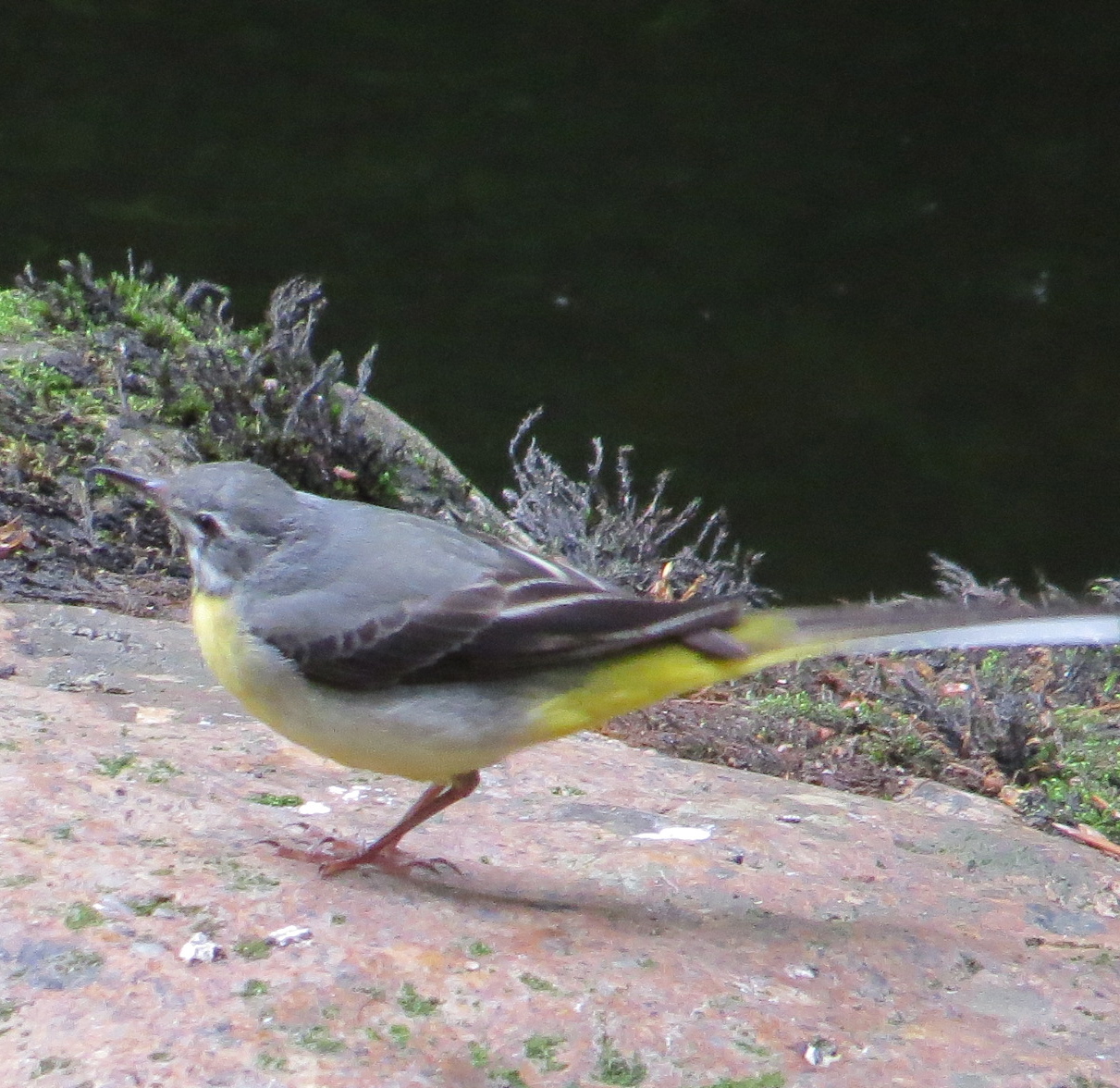 Grey Wagtail (Motacilla cinera), seen with some frequency along and on the rocks of fast moving streams and rivers.
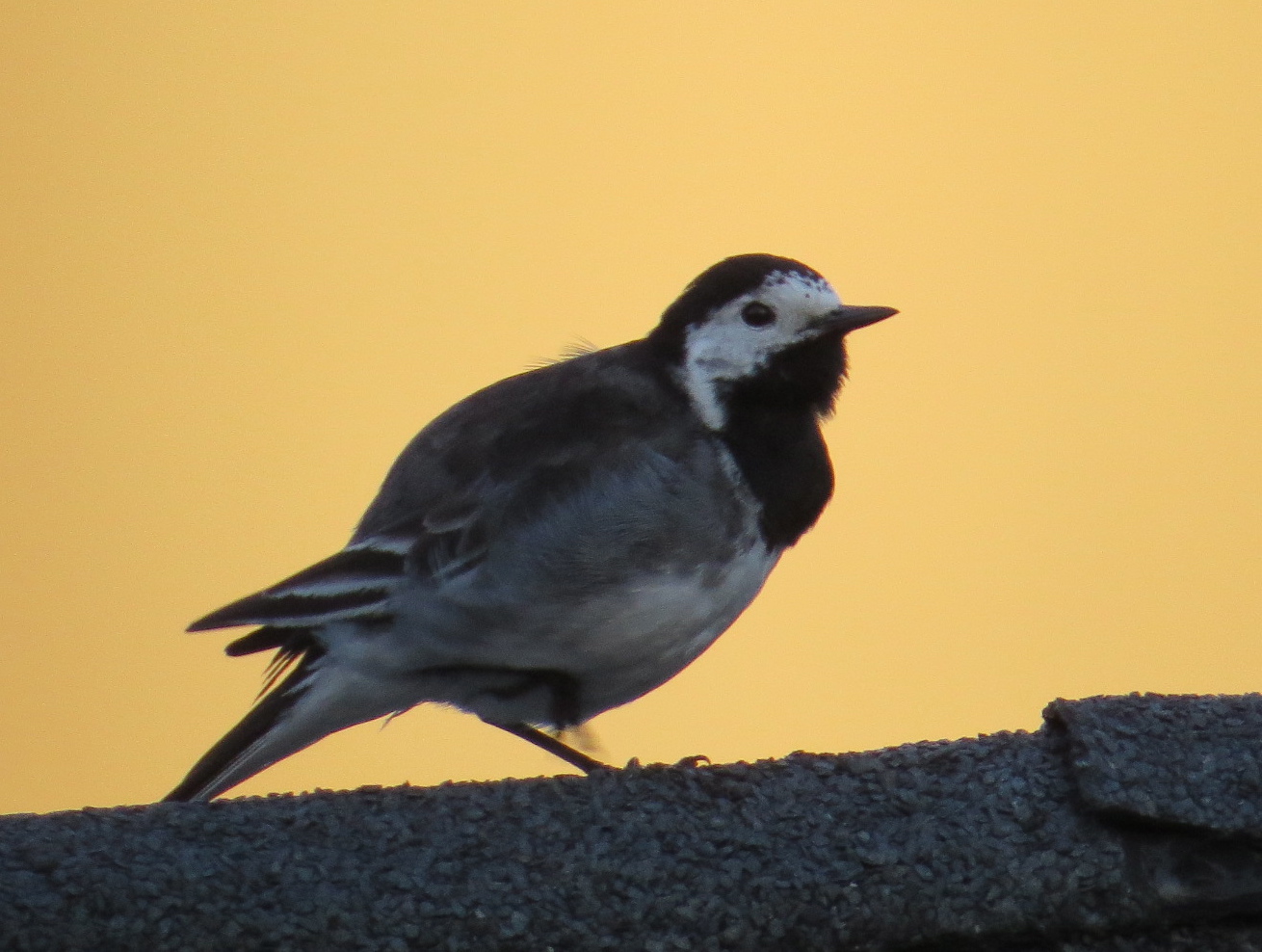 White/Pied Wagtail (Motacilla alba). Wagtails are named because of their very active tail-wagging. I saw a couple of these in Bovey Tracey.
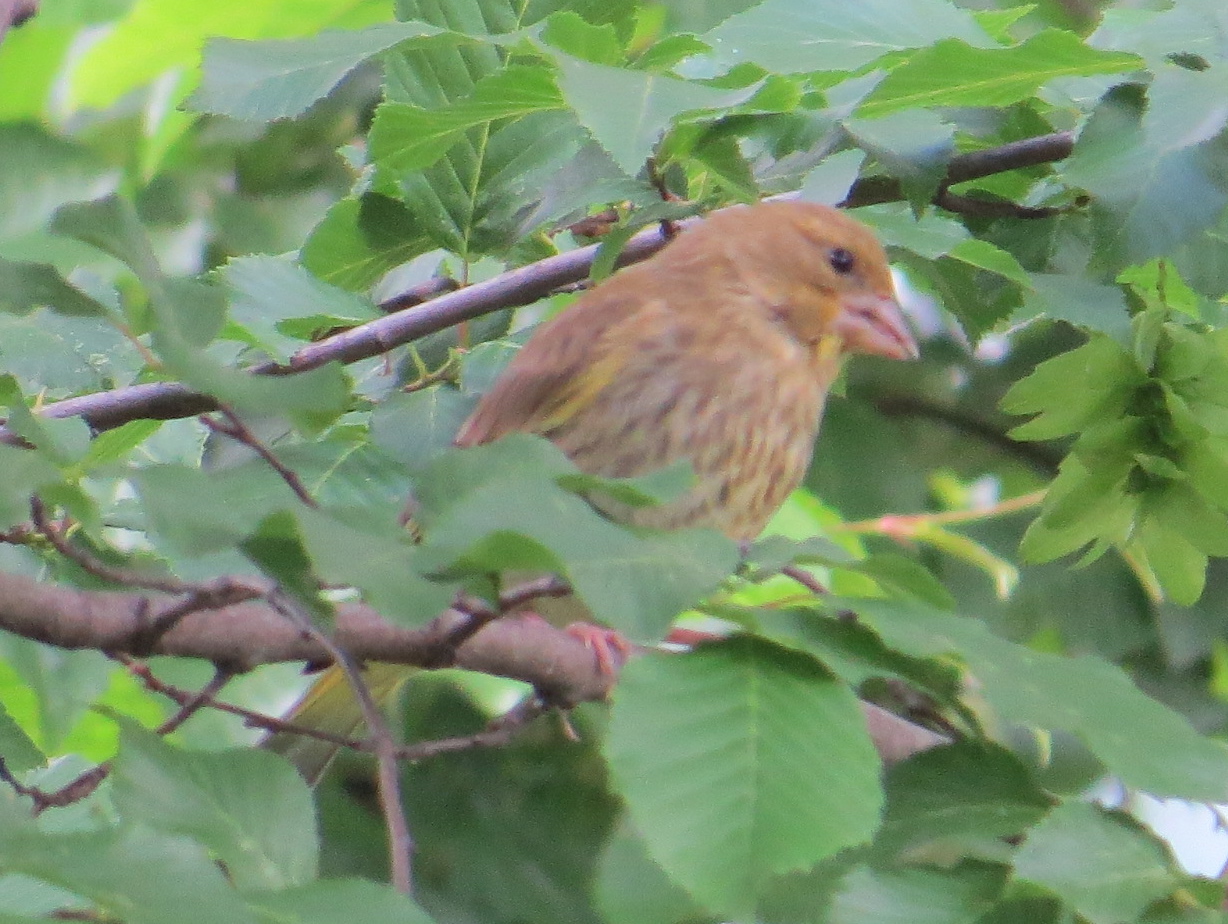 Greenfinch (Chloris chloris) juvenile, I believe. A fleeting glimpse, a lucky shot.
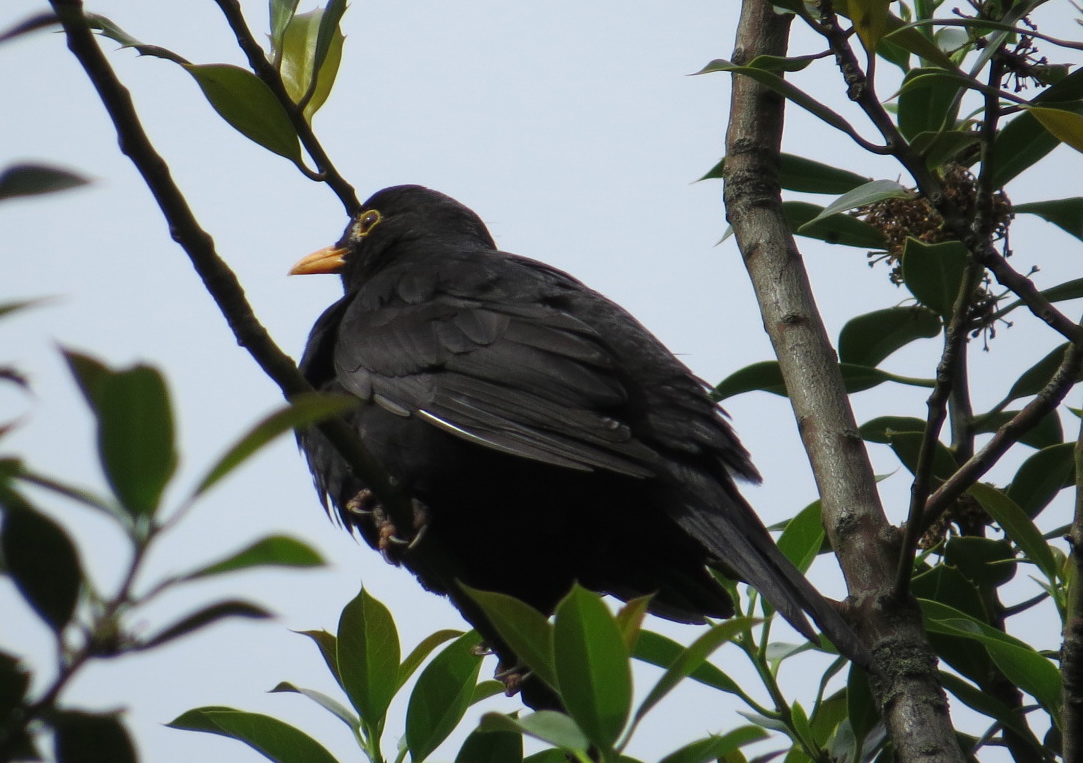 Blackbird (Turdus merula). Like our Robins, found everywhere. The most frequently seen bird of this trip, but elusive to photograph.
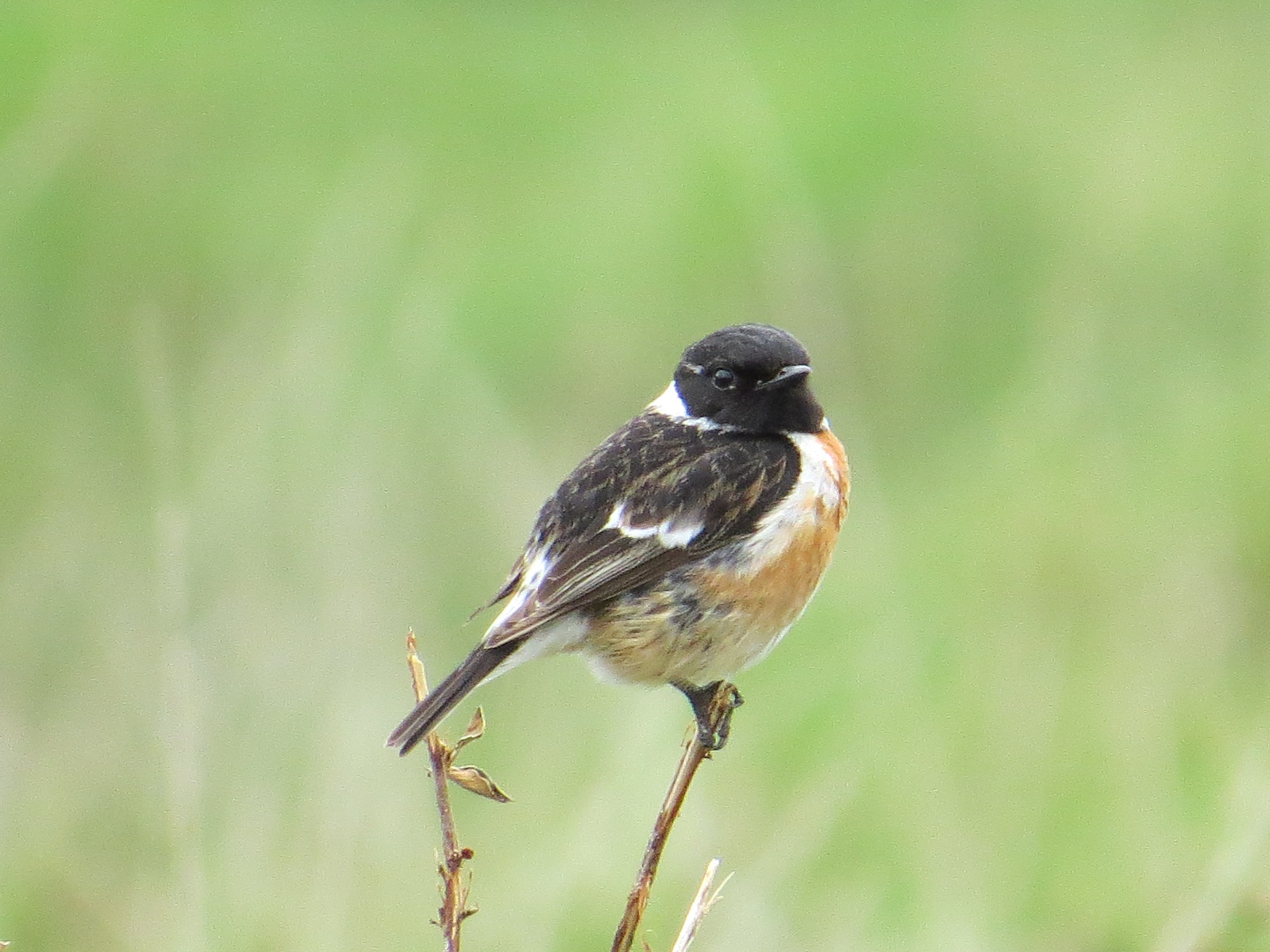 Stonechat (Saxicola torquatus), so named for its call, which sounds like two stones being clicked together. A bird of the open moor, which looks barren of bird life but reverberates with bird sounds (this time of year, anyway). I heard the unmistakable Cuckoo (Cuculus canorus), which says its own name, up here as well. And then there were the radio birds, which I never got a good look at; they sound like they are cruising along the frequencies of the radio dial.
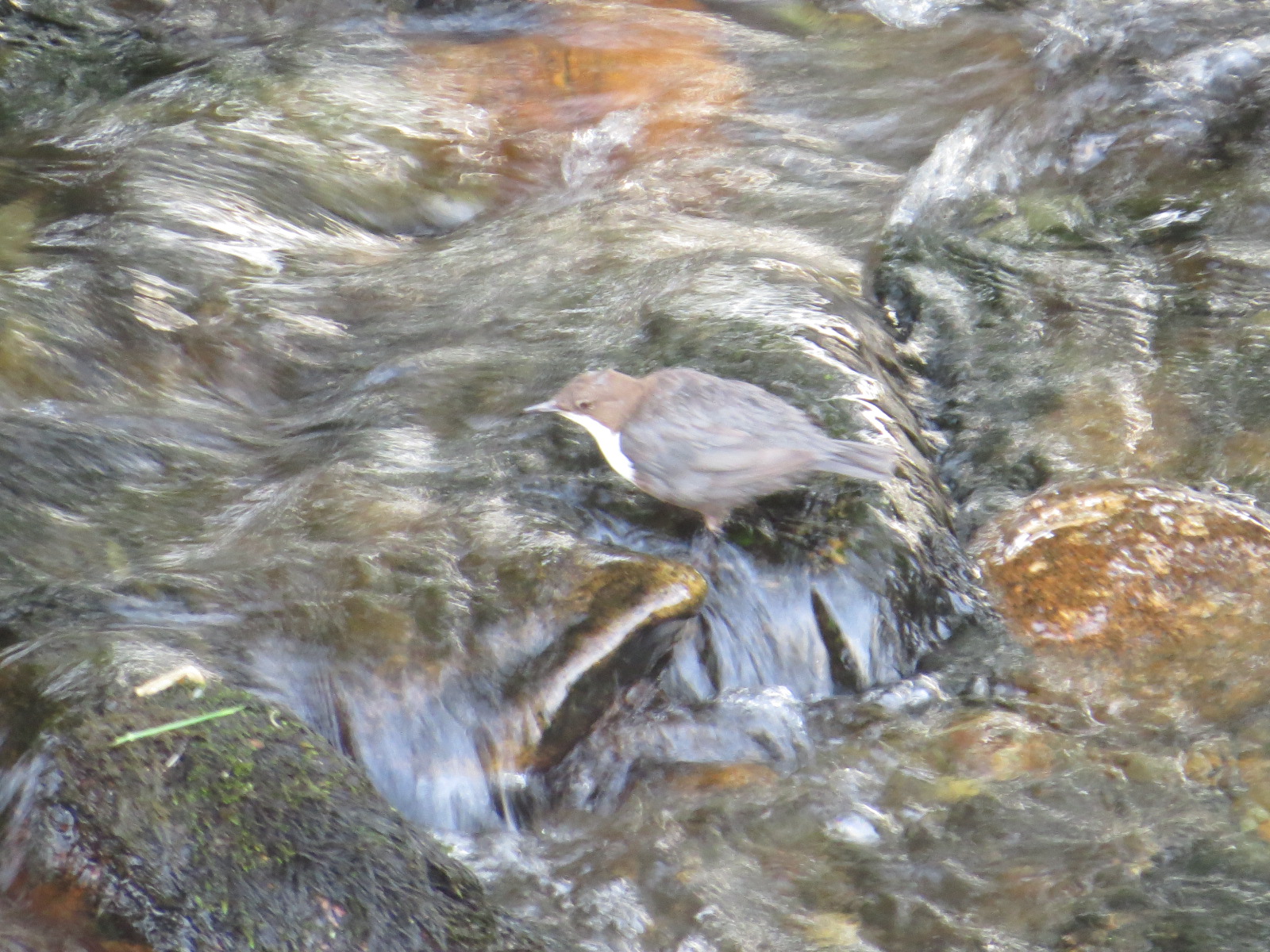 Dipper (Cinclus cinclus). I saw two during the trip, one at Fingle Bridge and this one, which I managed to photograph from my inn room, four stories above the Dart, early one morning. These plump little birds with the white bib glean prey from fast moving streams, dipping into the rush of water. They also walk underwater and “swim” with their wings. Wowza!
British Birds 3
5 responses to “British Birds 3”
-
You bring such joy and smiles and laughter to me every day. Thank you so much!!!!!!!
-
By “radio birds” do you mean that you heard birds that were like mockingbirds, singing a long variety of changing songs?
-
No, sounding like someone dialing down the radio spectrum and getting a lot of static and high-pitched noises, trills, warbles. Listening recently to recordings of Whinchats, I suspected them. But now, listening to Skylark songs, I think I’ve got it.
-
-
Ah yes, I was wondering if you were on open moors and farmland and heard a bird you couldn’t see it would probably be skylarks. They’re awesome. I think you’ll really like the ‘Nightwalk’ book we link to at The Oak and Feather here: http://theoakandfeather.wordpress.com/resources-uk/
Skylarks make a great cameo. Really great book, should be right up your street.
-
Sounds like it. Thanks for the recommendation!
Of course, the central part of Dartmoor where I heard these the most, near Princetown, was also crawling, literally in some cases, with soldiers on training, so maybe some the skylarks were actual radios…
-
 Backyard and Beyond
Leave a comment