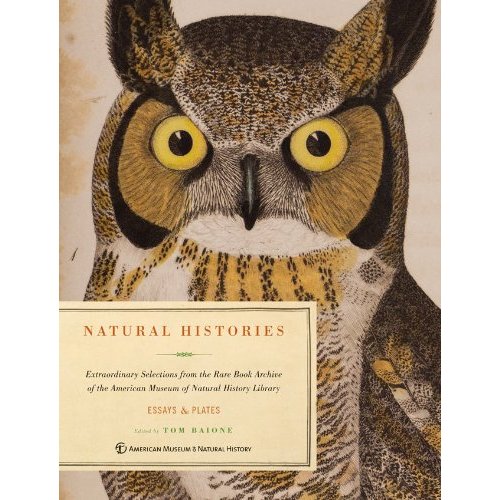
 I am embarrassed to say I did not even know that the American Museum of Natural History had a research library, and within it an impressive rare book collection. Library Director Tom Baione has put together a sumptuously designed and illustrated selection highlighting some of the historically important books in the collection, matched with short essays by museum staffers, many key scientists in their respective fields who still consult these works.
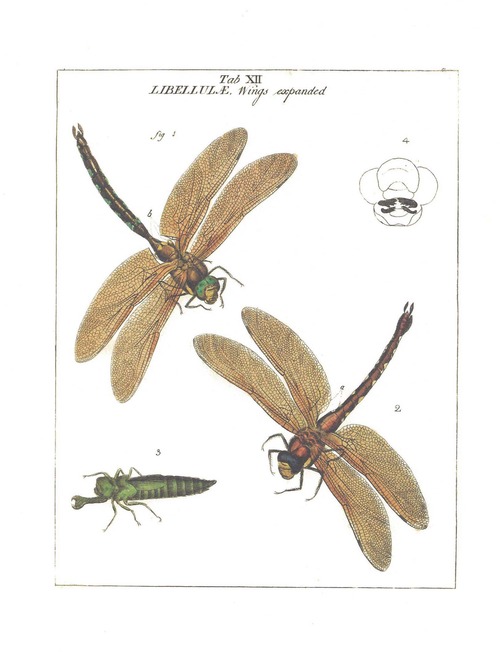
 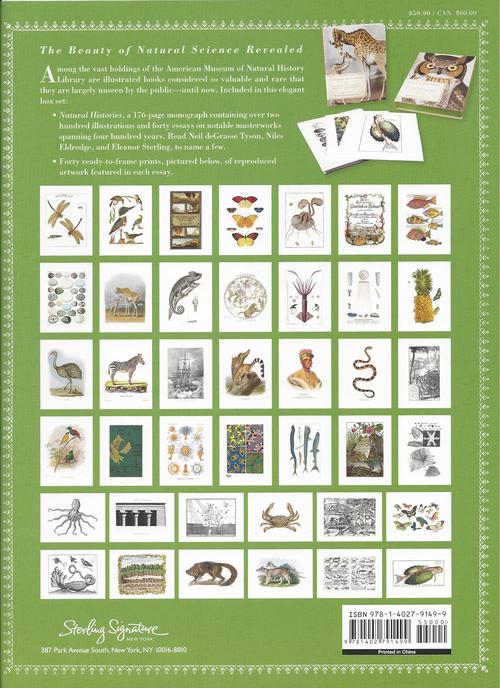 The publisher, Sterling, has smartly boxed the book with 40 ready-to-frame 8.5 x 11 reproductions of these magnificent woodblock, intaglio, and lithographic classics of science. (More than a few are tattoo-ready, too!) Here’s one from Moses Harris’s An Exposition of English Insects (1782)
 On the other hand, the publisher seems a bit cagey about spreading these images on the ‘net, so I’ve tried my hand at reproducing a couple more, because they are so damn beautiful:
 Top: J.F.W. Herbst, Versuch einer Naturgeschicte des Krabben and Krebse… (1799) Bottom: Conrad Gessner, Historia Animalium (1551-58). See what I mean by tattoo inspiration?
Natural Histories
5 responses to “Natural Histories”
-
Always fascinating to see these books and the illustrations. You know about http://www.biodiversitylibrary.org ? Gessner’s Historia is there and (I love this accessibility) downloadable.
-
I do now. Thank you, Roger, for this link to a great collection of “legacy biodiversity literature.”
-
-
I am not scientific enough in orientation to appreciate the museum, although I have been there. Lovely illustrations here though.
When my oldest aunt, b. 1898, lived in New Jersey with her children, they often took an all-day trip to the museum; natural history, and gardening, were her passions. In Schenectady she led hikes out into the hills, and I am just old enough to have been on one of them, to Plotterkill Falls.
-
This makes me wonder if there will ever be a historically important archive of things like blog posts and online references. What will our equivalent be?
-
I have to admit to being a pessimist on this: digital/electronic storage has a lot of issues we as a society have never really considered. Of course, “society” often didn’t think about storing books, it was individuals, monasteries, libraries.
-
 Backyard and Beyond
Leave a reply to Paul Lamb Cancel reply