-
Raptor Wednesday
After being blown apart by lightning in the summer of ’23, the historic chapel in Green-Wood has a new cross on top. The local American Kestrels did not linger in taking command of it. Not so far away is this ailing Horse-chestnut, which this male has really taken to. A few days earlier, he was…

-
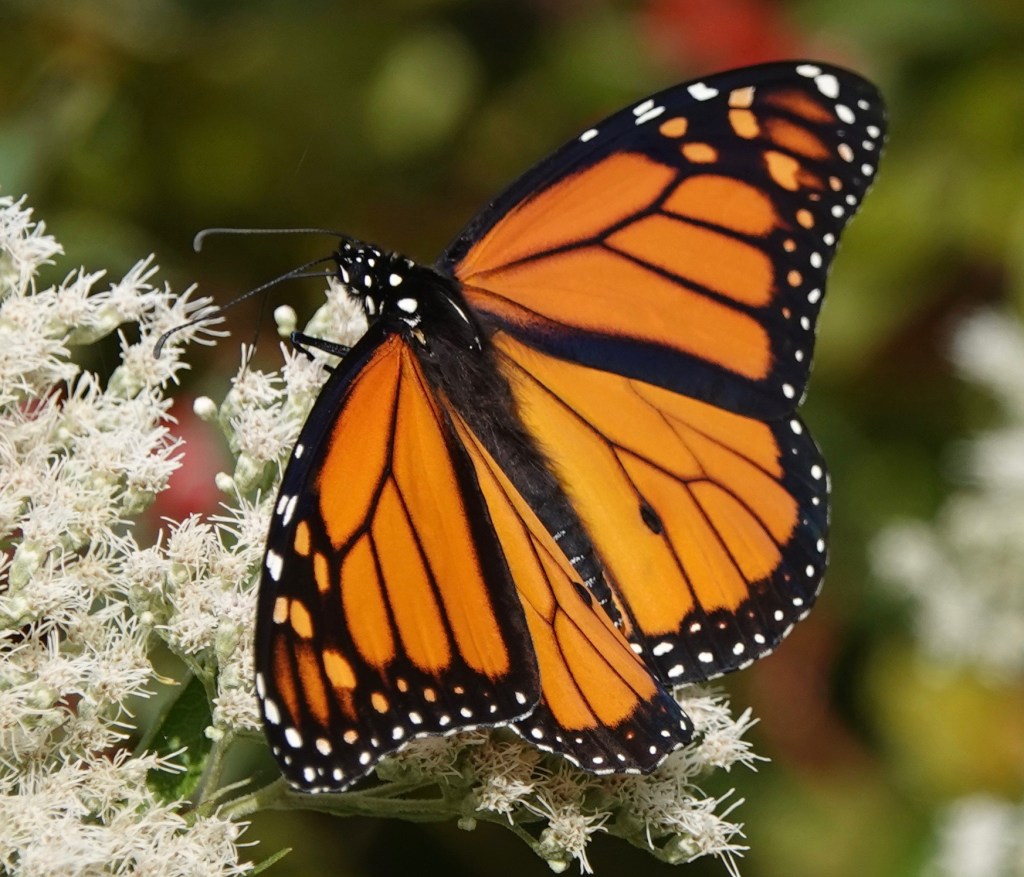
Monarch Monday
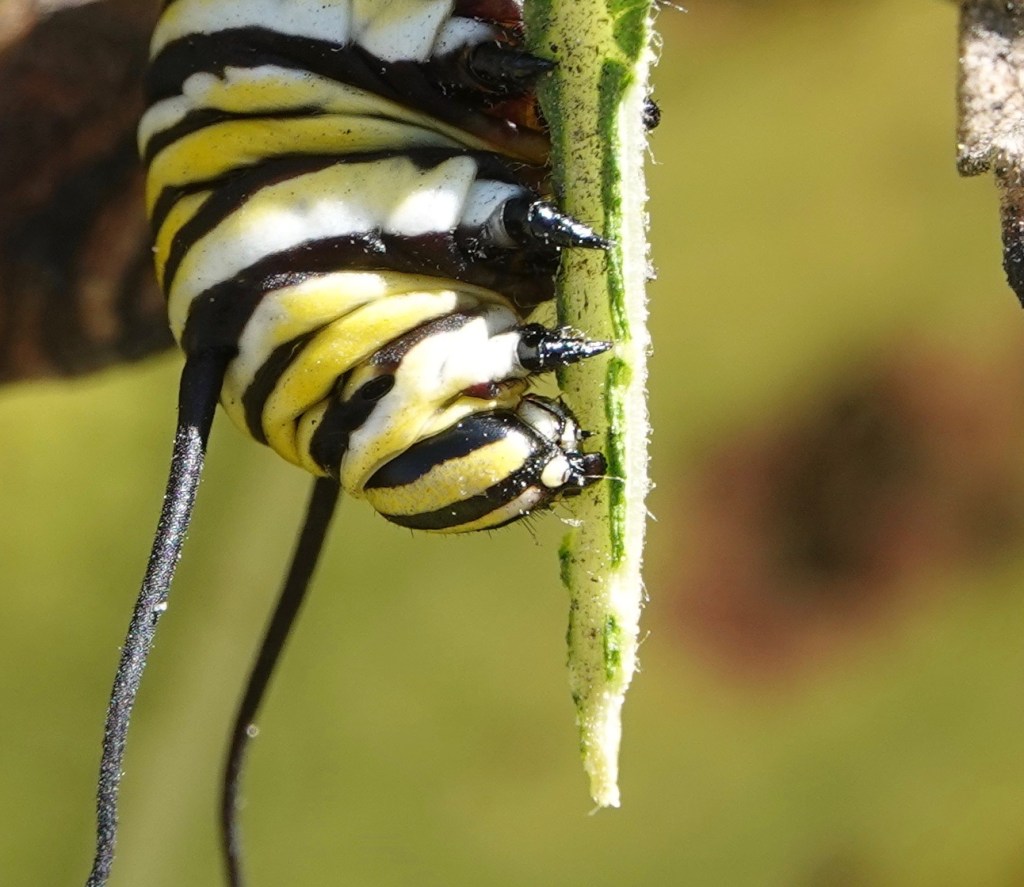
This male was foraging last Tuesday. He was the only Monarch sighting during the week.
-
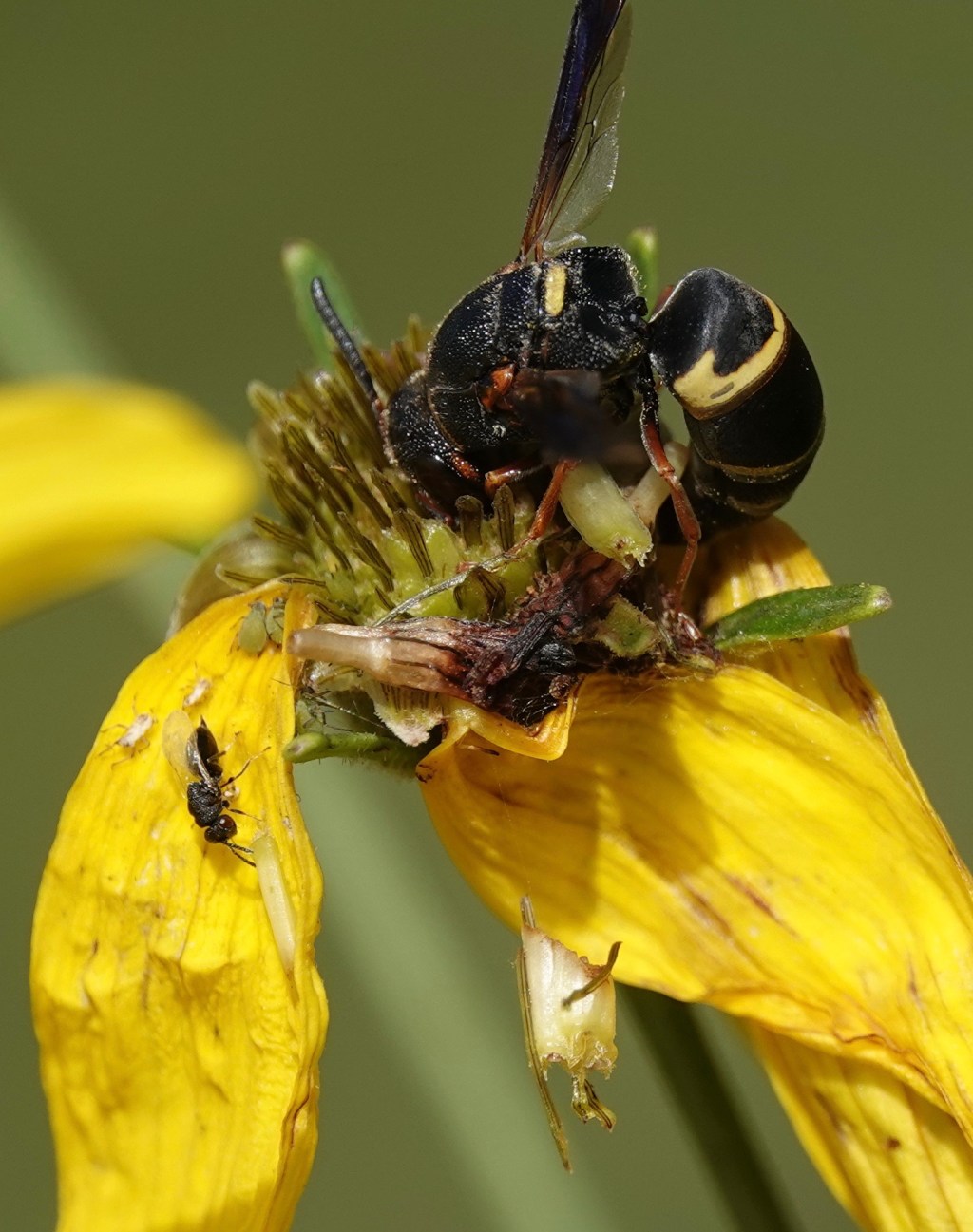
Late September Action
Coreopsis is still in bloom, so bees are still foraging on it. But there are other things going on as well: This Hidalgo Mason Wasp/Euodynerus hidalgo was busy excavating a flowerhead for a caterpillar. This tiny Eurytoma genus Chalcidoid wasp was on the prowl, presumably in search of whatever insect she parasitizes. Another small parasitic…
-
Purple Passionflower
Passiflora incarnata. Two different plants. One was still flowering, while the other was already set with fruit.

-
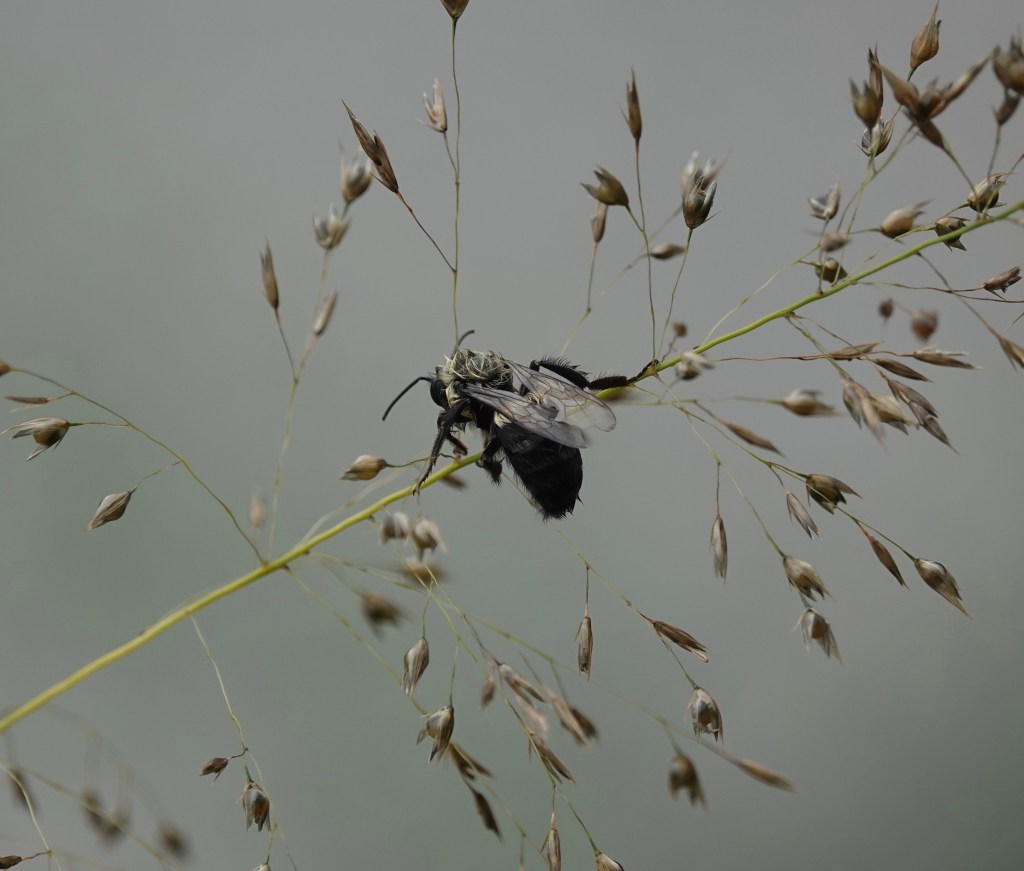
Wet Bumblebees
You’ve heard of Shark Week. Maybe you’ve heard of Fat Bear Week. Well, I just declared this Wet Bumblebee Week.
-
More Young Red-tail
Same day as yesterday’s youngster(s). Maybe the same bird. Eating an Eastern Grey Squirrel. Which takes a long time. Raptors usually pluck fairly small pieces off their meal. But they can also choke down a whole limb…

-
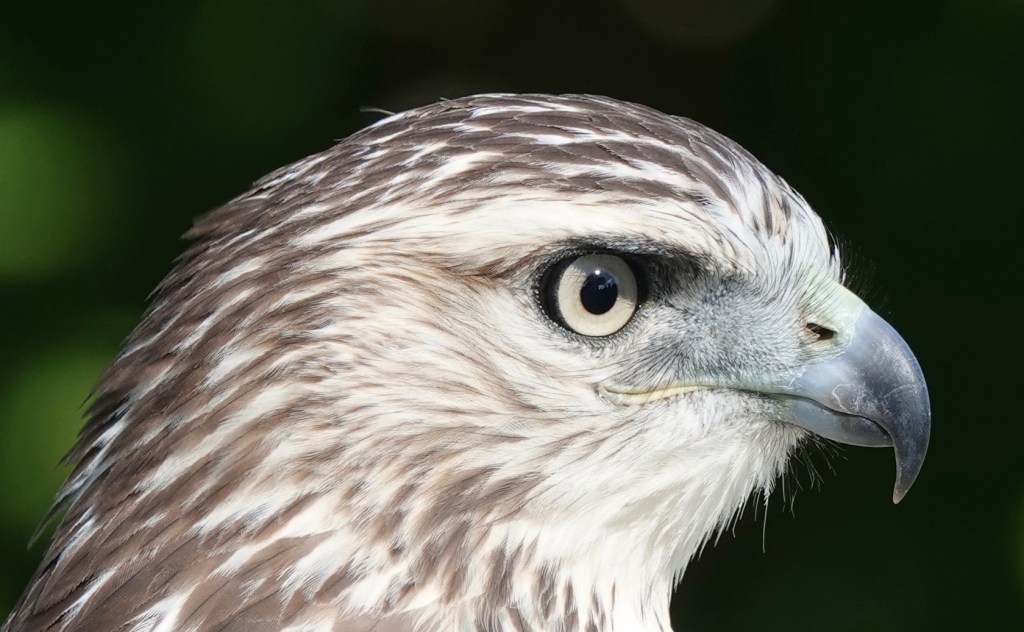
Raptor Wednesday
Not like I don’t have more fresh Kestrel content, but this year’s Red-tails have been making their presence known lately. This one was pretty close to me and even closer to other people. They don’t make ’em shy in Brooklyn. I’m not sure if this is the same bird or not. One of these primaries…
-
Two To Tango?
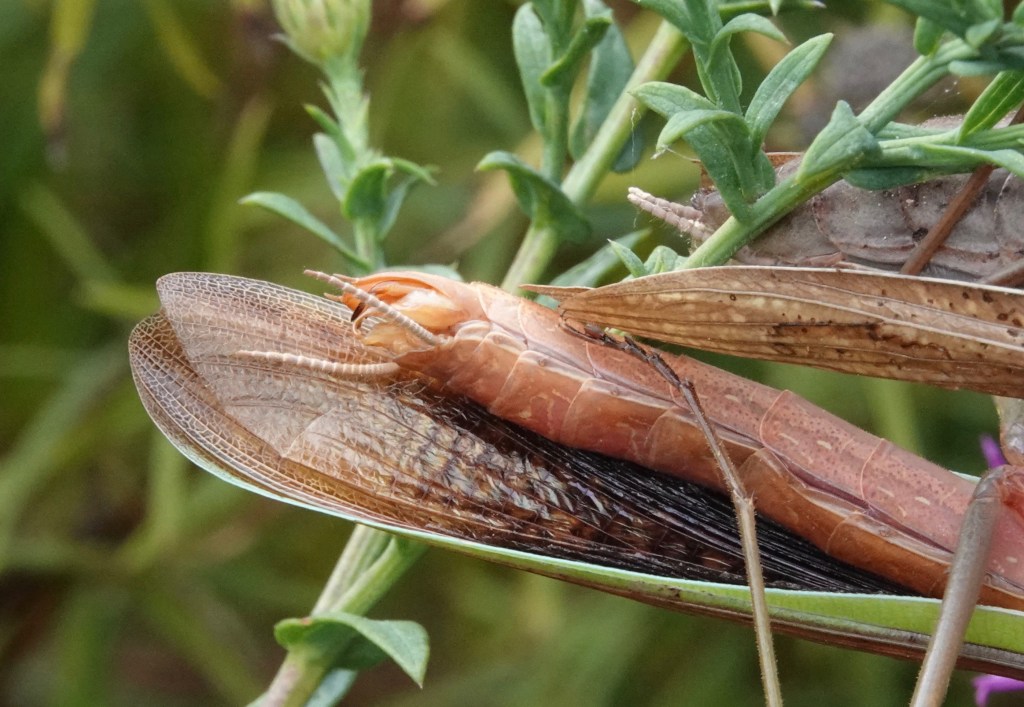
A pair of mantises. I think they’re thinking about mating. Male below, female above. But, um, there’s a problem here. These are actually two different species. The female is a European Mantis/Mantis religiosa; identified by the white oval spot surround by black on the upper forelimbs. The male is a Chinese Mantis/Tenodera sinensis; not as…
-
-
Cicadas
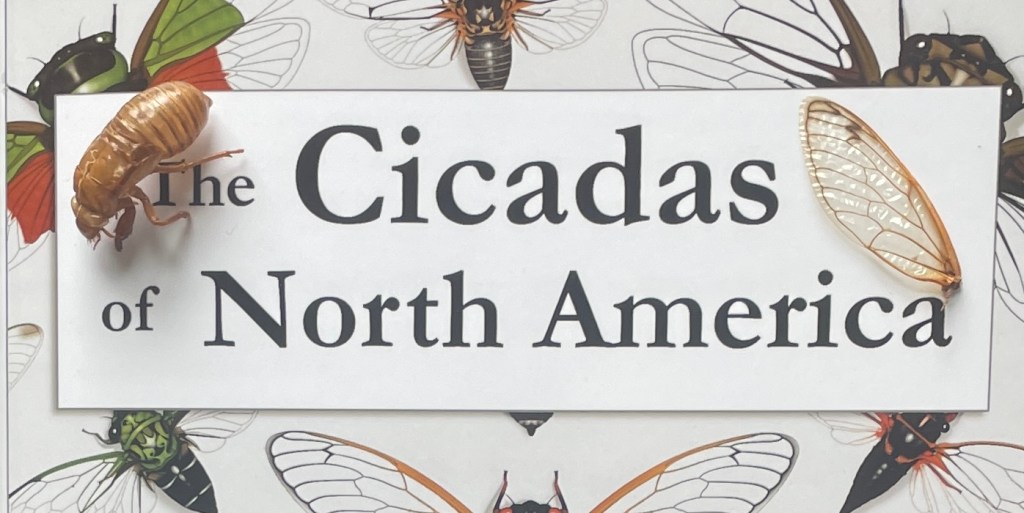
The clade Pancrustacea includes both crustaceans and hexapods. So it makes sense that cicadas taste, writes Chris Alice Kratzer, a little like shrimp, albeit “somewhat nuttier and earthier.” This also means you should stay away from them if you’re allergic to shellfish. Evolution is nutty that way. In her new guidebook The Cicadas of North America,…
-
Subscribe
Subscribed
Already have a WordPress.com account? Log in now.
 Backyard and Beyond