-
Behold The Book
Larval development in odonates can last from a few months to as many as five years. They’re aquatic at this stage, so very different from their adult airborne forms. Mostly aquatic, that is—there are always exceptions in the insect world: family Petaluridae, the petaltails, have larvae that are semi-terrestrial. These nymph/naiads capture prey with their…
-
Clash of the Dinosaurs
This was surprising. I’ve seen Red-tails eat feral Pigeons, but I didn’t know they bothered with such small fare as song birds. I mean, how would they even catch one? But this mature Red-tailed Hawk snagged what I think is a Song Sparrow on the ground. The prey was eaten in about two bites, with…

-
A Visitor From the Himalayas
The Asian Mud-dauber/Sceliphron curvatum is a recent addition to the local fauna. As of this date, there have been 42 observations on iNaturalist for NYC, twenty of them this year. The oldest observation is from 2020. I saw one for the first time last year. Last year I also saw what I suspect was a…

-
Raptor Wednesday
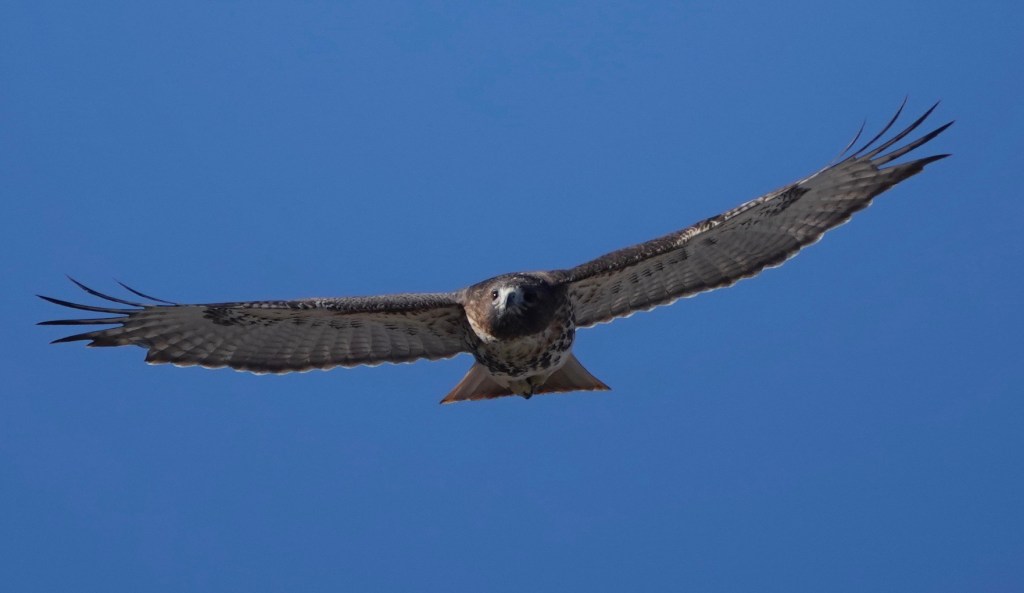
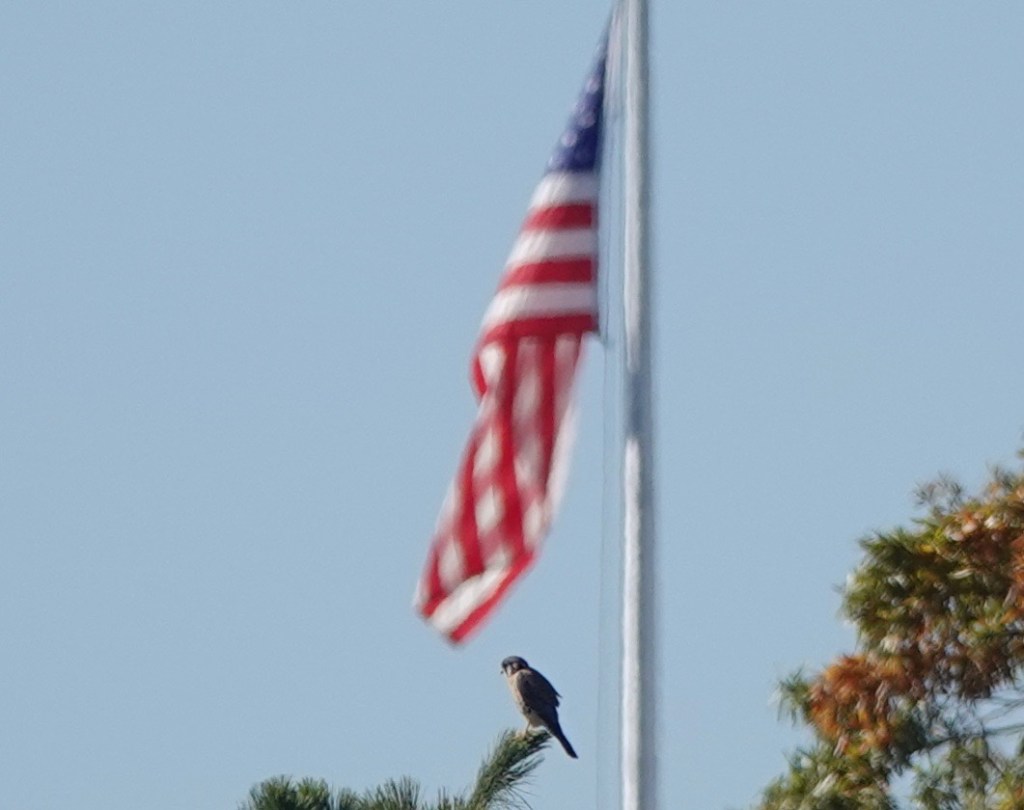
Cooper’s. Not the first I’ve seen this raptor season, but the first fair-to-middling pictures. Three different American Kestrels within a few blocks of each other. Distant Osprey, with fish prey. And Red-tailed Hawks.
-
Testudines Tuesday
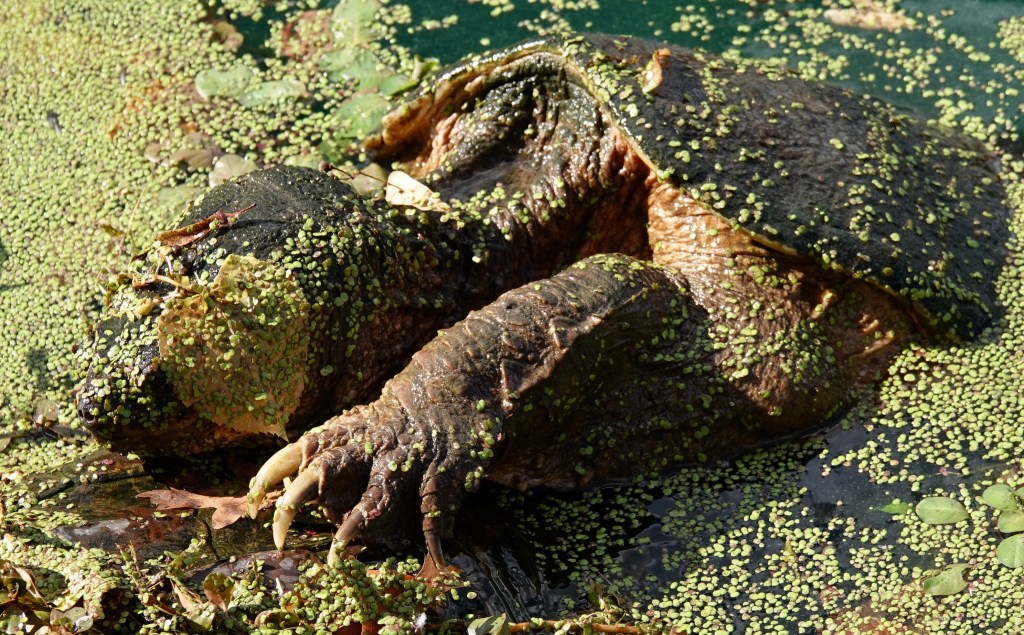
Best foot forward: Common Snapping Turtle/Chelydra seroentina. There are actually two snappers here. The one on the lower left is about the size of a serving platter. The other is the size of a table.
-
Monarch Monday
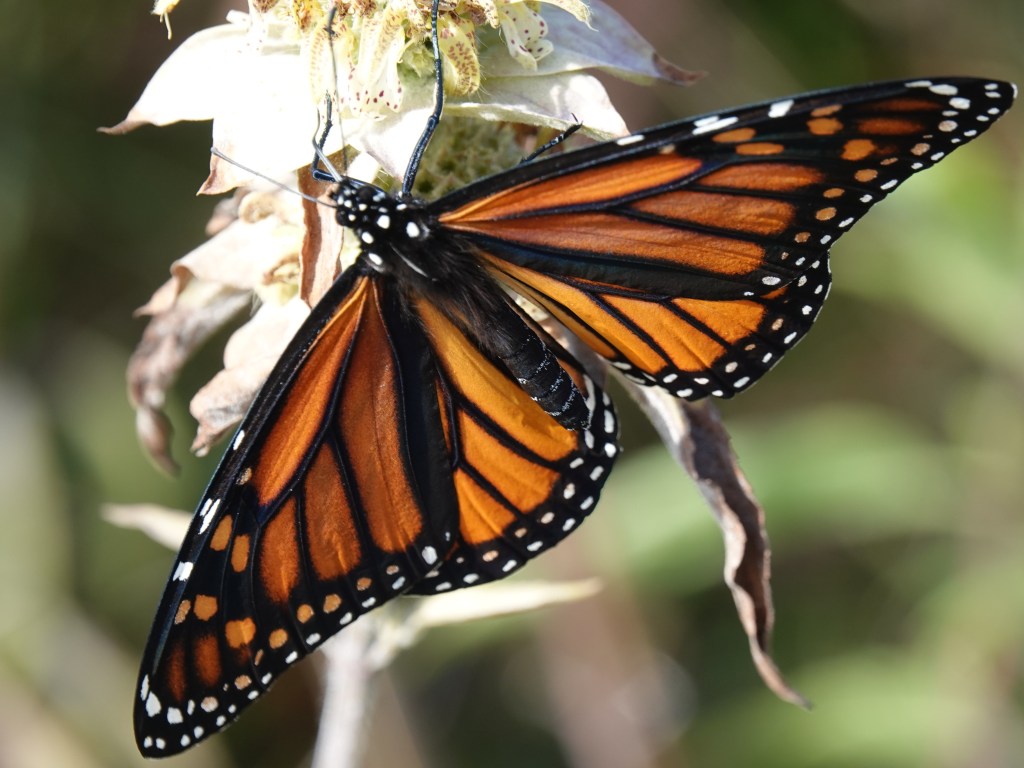
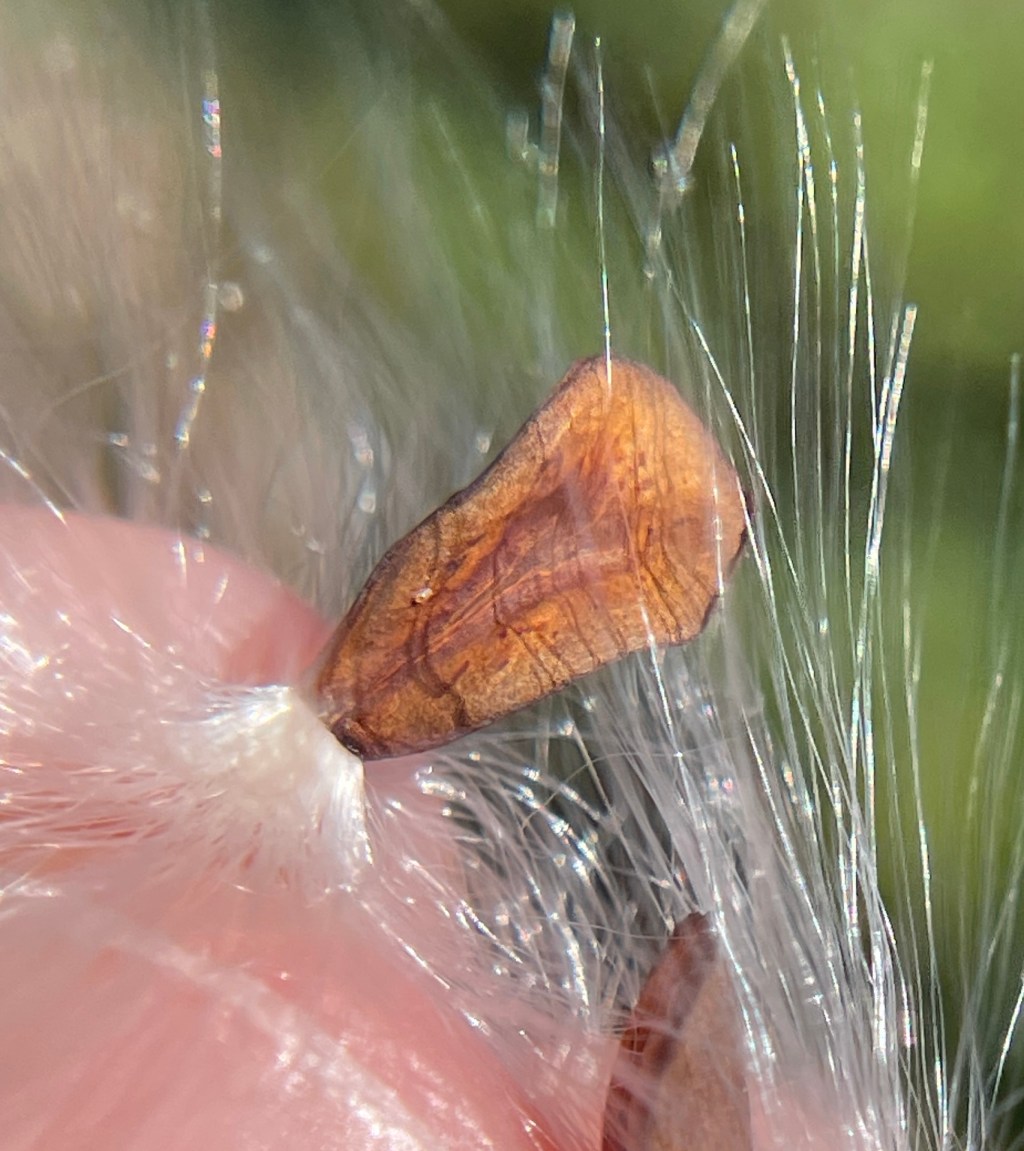
Two more Monarchs spotted in Brooklyn, on October 14. This one was favoring the nectar of Spotted-Horse Mint/Monarda punctata. There are not that many other options now. I don’t think they do much with the fall asters.

-
Subscribe
Subscribed
Already have a WordPress.com account? Log in now.
 Backyard and Beyond