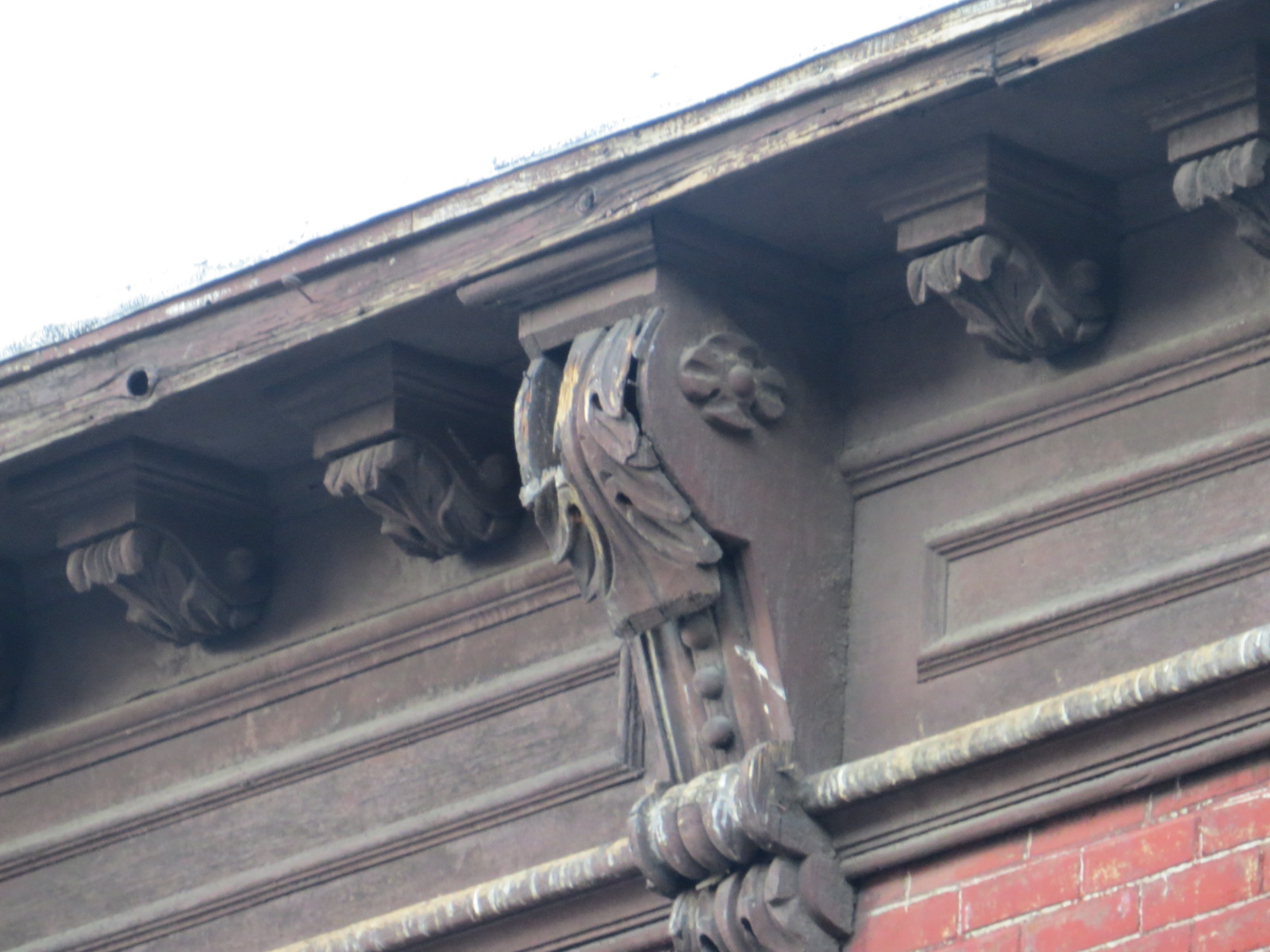
 I’ll say! Here’s typical American Kestrel (Falco sparverius) habitat in the city. That rectangular gap in the bracket is the entrance to a nest from which at least two youngsters fledged this year. North America’s smallest falcon species has really taken to such rotting cornices here in NYC: I know of three nests within a two mile radius of where I live in Brooklyn. Meanwhile, the habit of cutting down dead trees (snags), with their cavity-nest possibilities, out in the “country” means that urban Kestrels actually seem to be doing better than than their country cousins.
 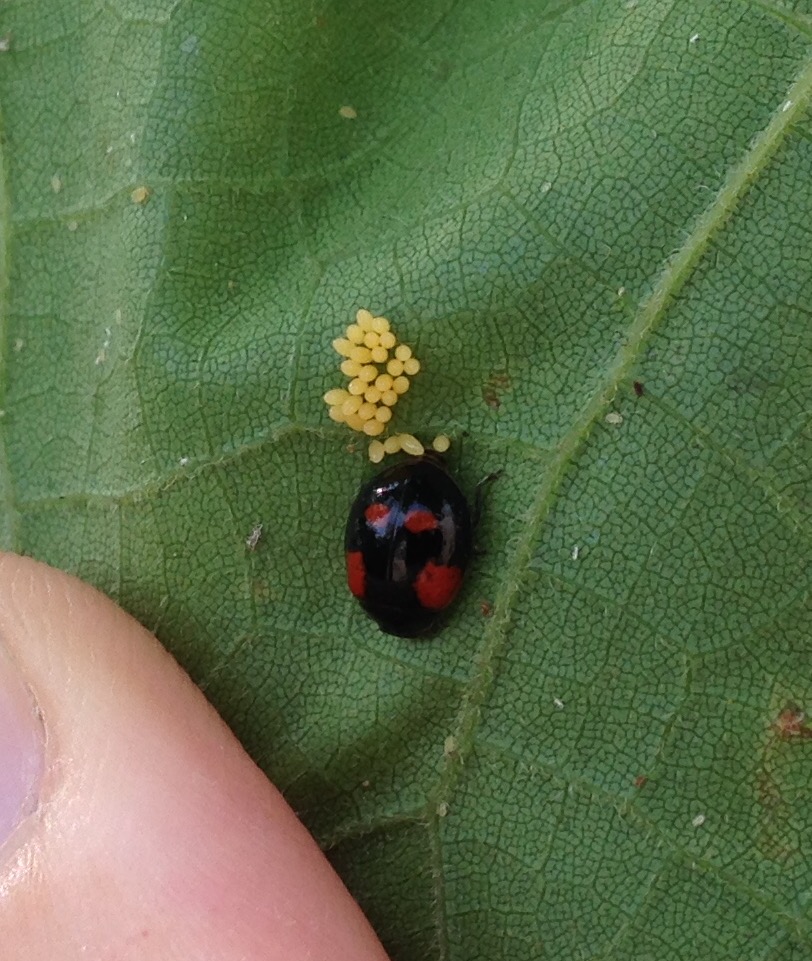 Here’s a Two-spotted Ladybug (Adalia bipunctata) laying her eggs on a leaf in Brooklyn Bridge Park as dozens of people walk by. This is a species that has seen a marked decline, probably because of the introduction of invasive ladybug species. When I reported my discovery of these beetles in BBP to the Lost Ladybug Project a few years ago, it was one of only a bare handful of New York state locations for this insect in their database.
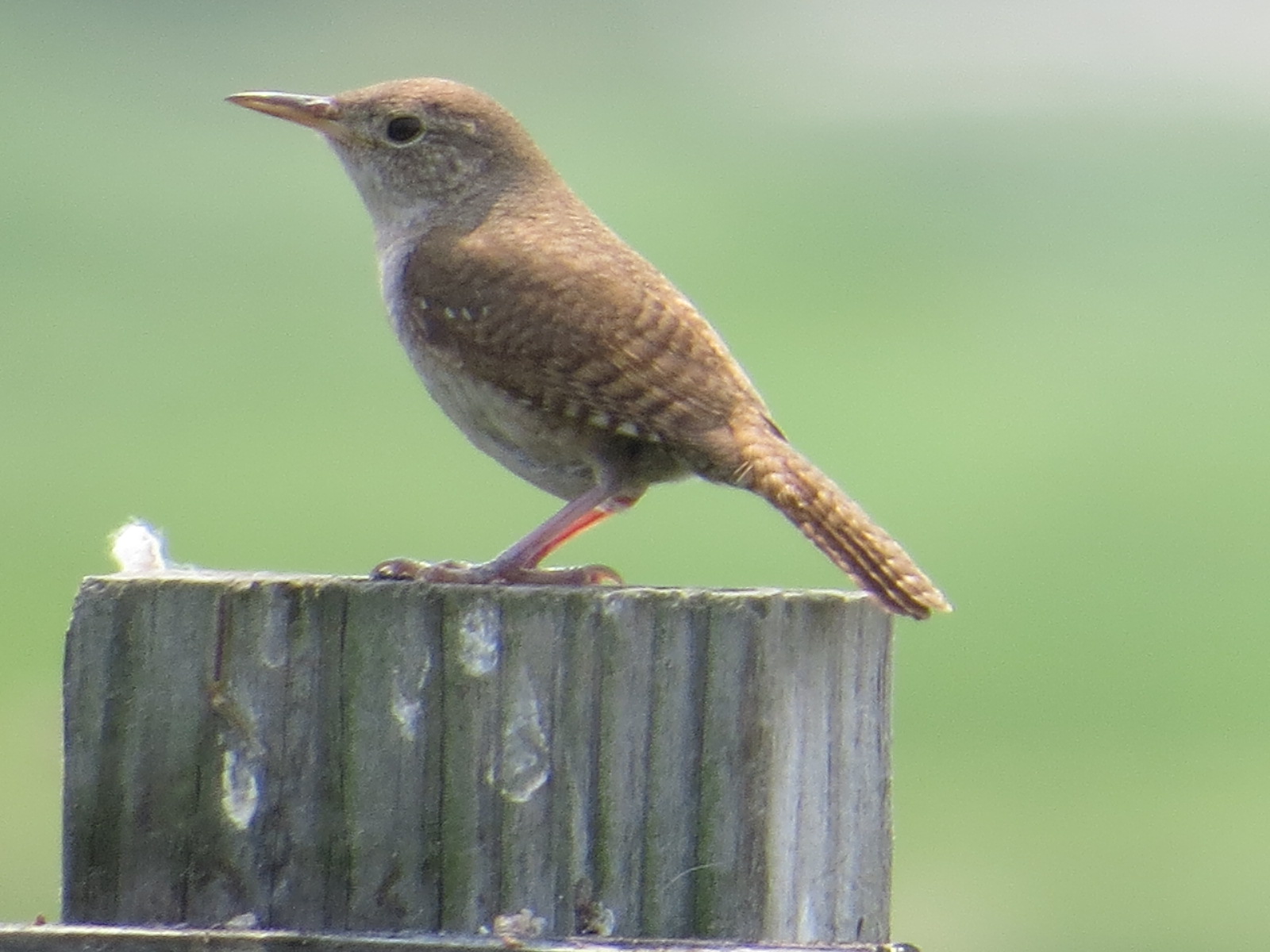 House Wren (Troglodytes aedon) at Jamaica Bay Wildlife Refugee, in Queens (and a bit of Brooklyn), an absolutely amazing thing to have within the city’s bounds.
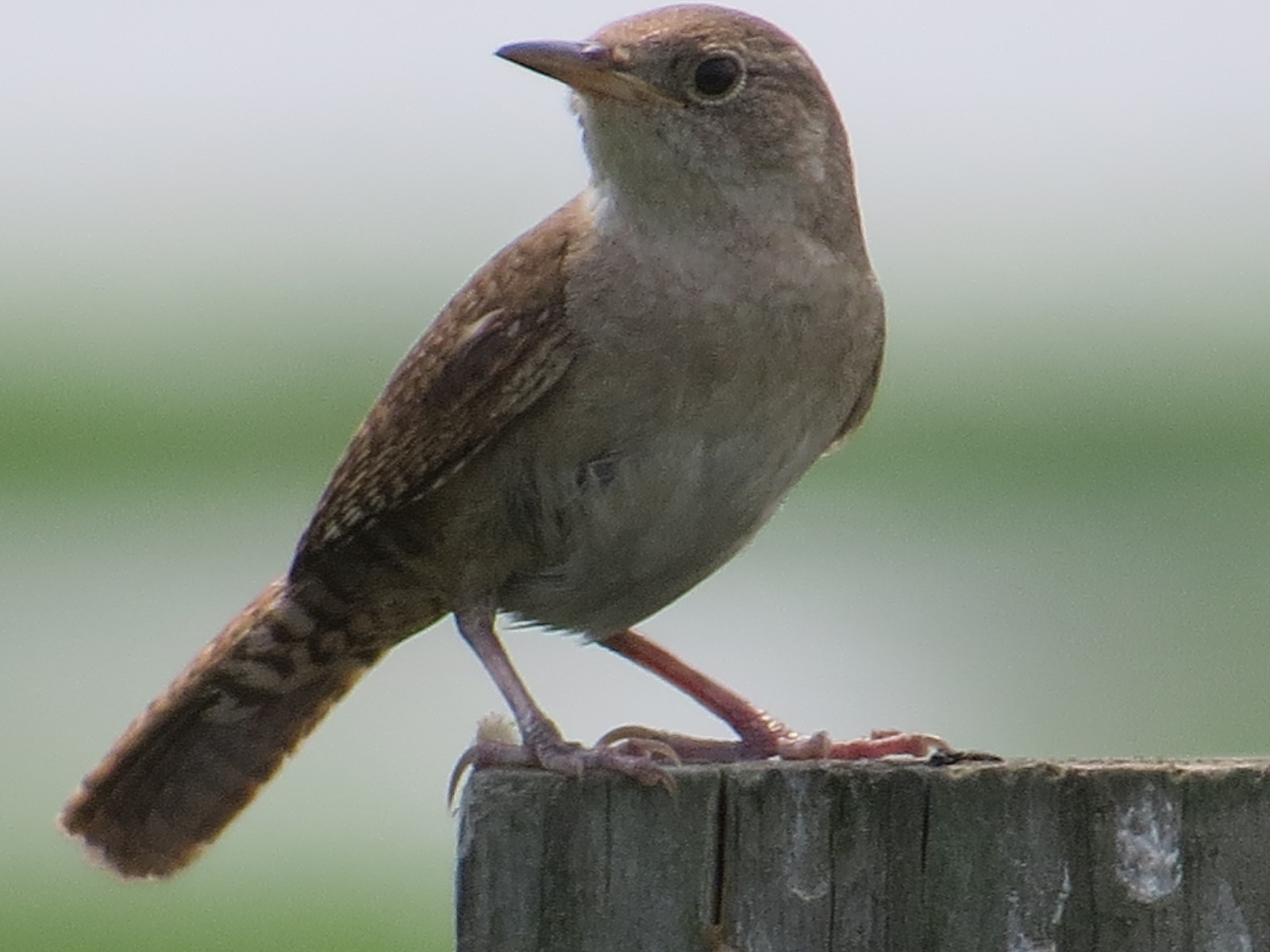 I could go on. I have gone on for five years on this blog. NYC is wild!
 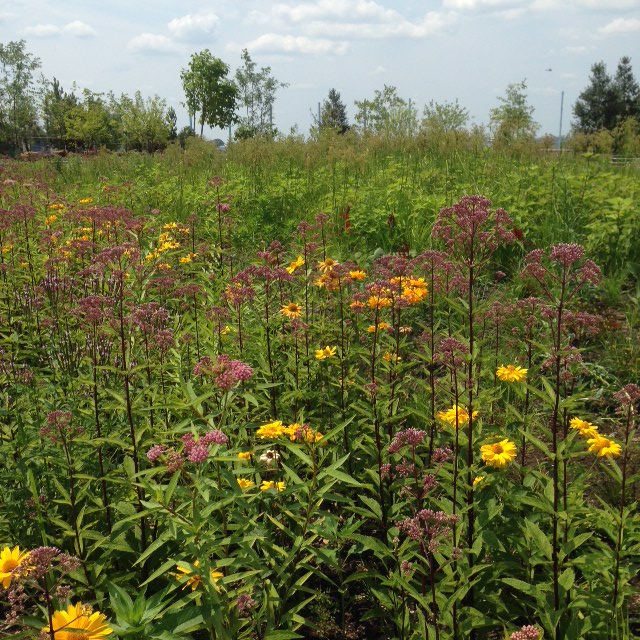 The brand new meadow at Pier 6, Brooklyn Bridge Park, which I was privileged to have a preview of this past weekend.
Meanwhile, there’s a contest marking the 120th year of the Wildlife Conservation Society, which manages the city’s four zoos and single aquarium. It’s sort of a treasure hunt: find and photograph 120 wild things in the city. (120? That’s an undercount that would lead to legal action if this was a census.) Actually, it’s all about the animals in these institutions, most of them far from home. Their use of the hashtag #NYisWild is what started me on these thoughts. They’re perpetuating the fallacy that the place to find wild things in the city is on display behind a cage or glass panel. Considering these places tout their educational function, this is a great pity.
Of course, there’s very good work being done by the WCS; but I just don’t think zoos are a particularly fruitful aspect of that work. And, not to drag up the mud of the past here, just because it’s the earth from which we came, but “the zoo” has much to atone for: consider Ota Benga, kidnapped from Congo and displayed in the Bronx. In 1906.
*
Recently at Bush Terminal Park, I heard a parent tell her child that the Osprey nesting platform there was for albatrosses. She’s probably seen them on TV.
 Backyard and Beyond
Leave a comment