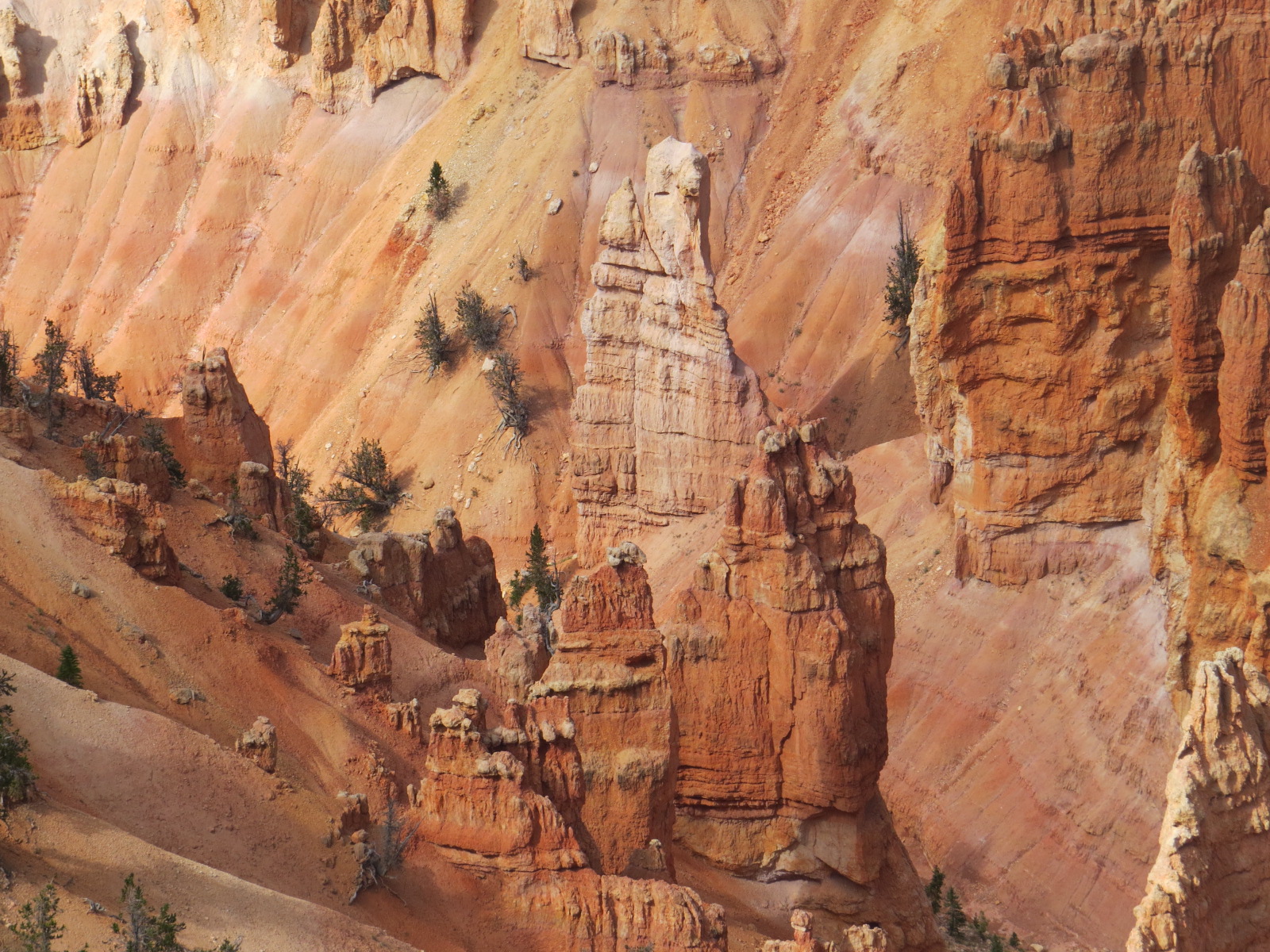
 At Cedar Breaks, a Ranger gave us a good mnemonic for the geological history of the Colorado Plateau: “Cedar Breaks is due for a change” with “due” initialing for deposition, uplift, and erosion. Ancient lake and sea beds heaved up and then slowly, differentially, whittled away….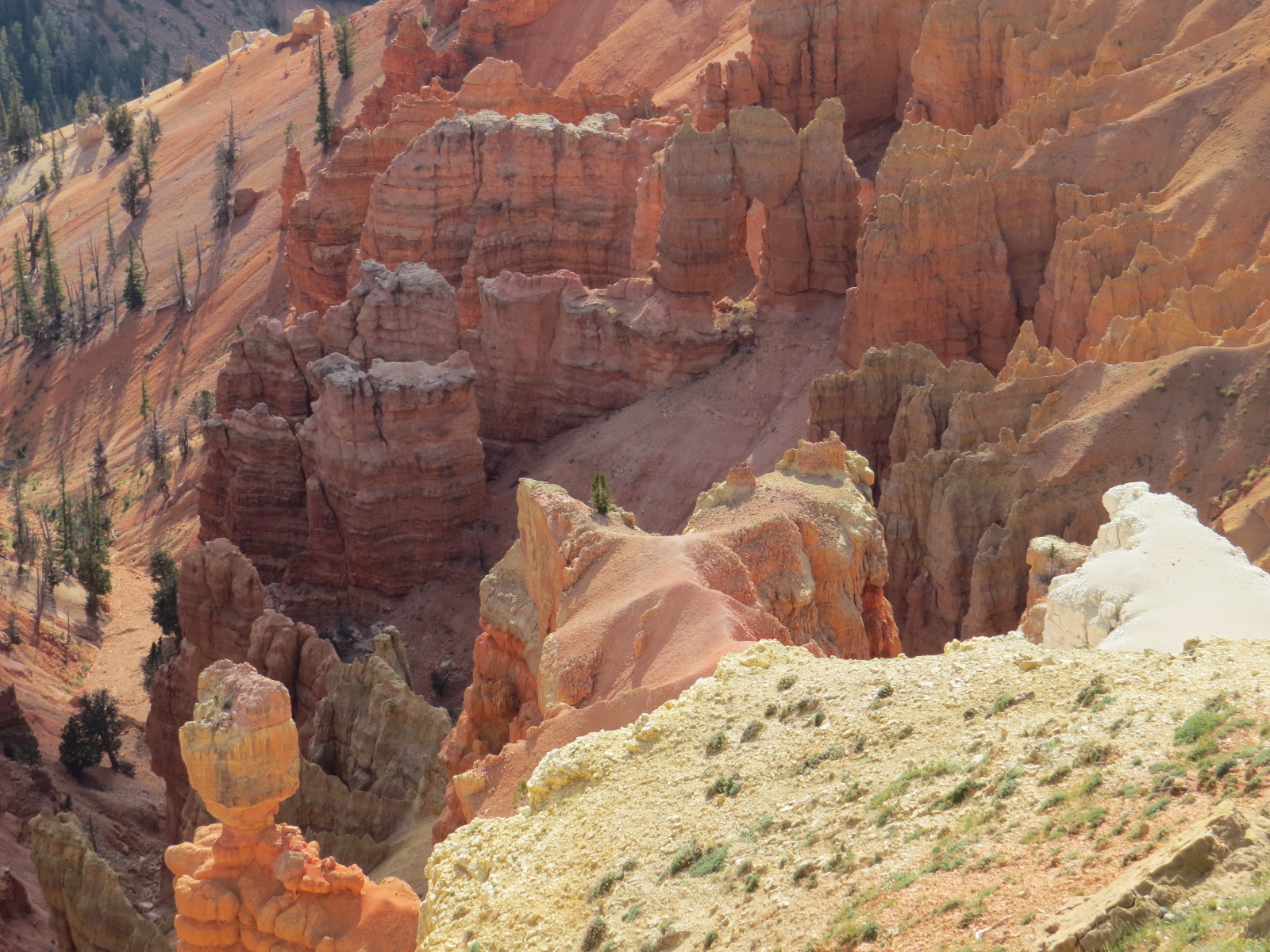
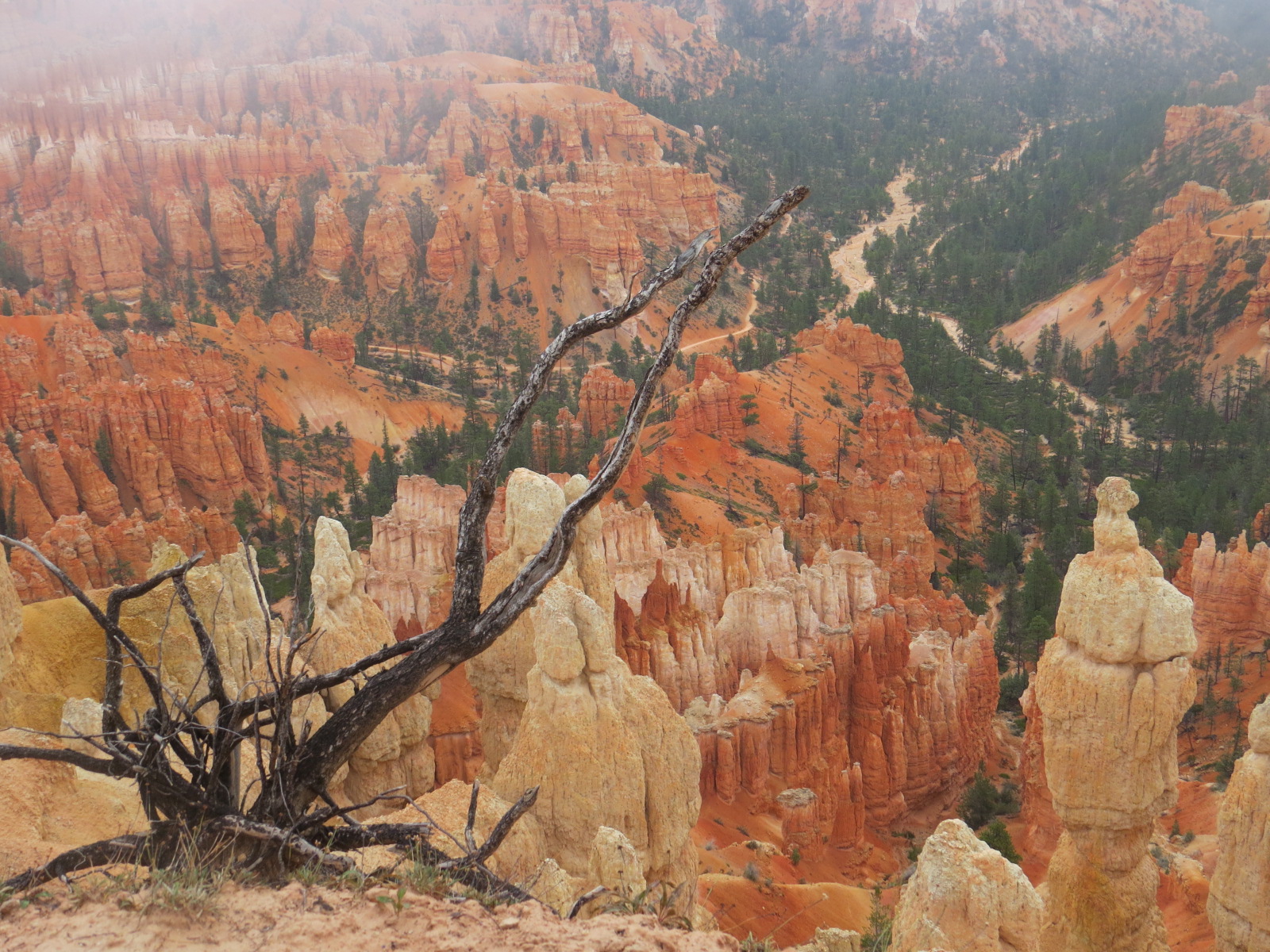 Bryce Canyon in the fog. Not actually a canyon, Bryce is, like Cedar Breaks, the dramatically eroding edge of a plateau; we were standing at about 8000 feet here looking down.
  The famous hoodoos are created by frost weathering, fracturing via the expansion of freezing water. The “giant staircase” of the Colorado Plateau descends from this highpoint, geologically the most recent, down into the Grand Canyon, which has rock a billion years old at its base.
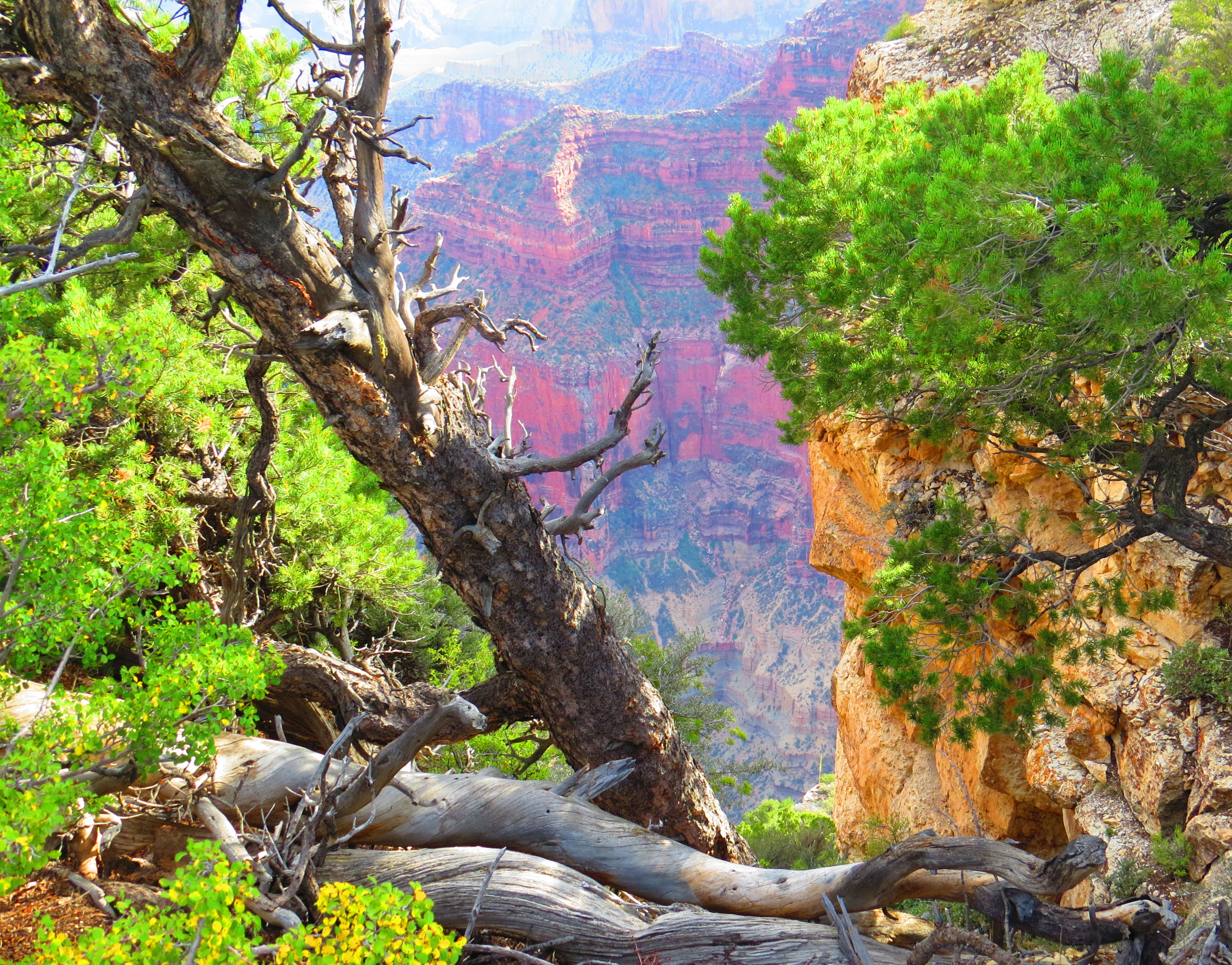 A minor tributary of the Grand Canyon from Bright Angel Point.
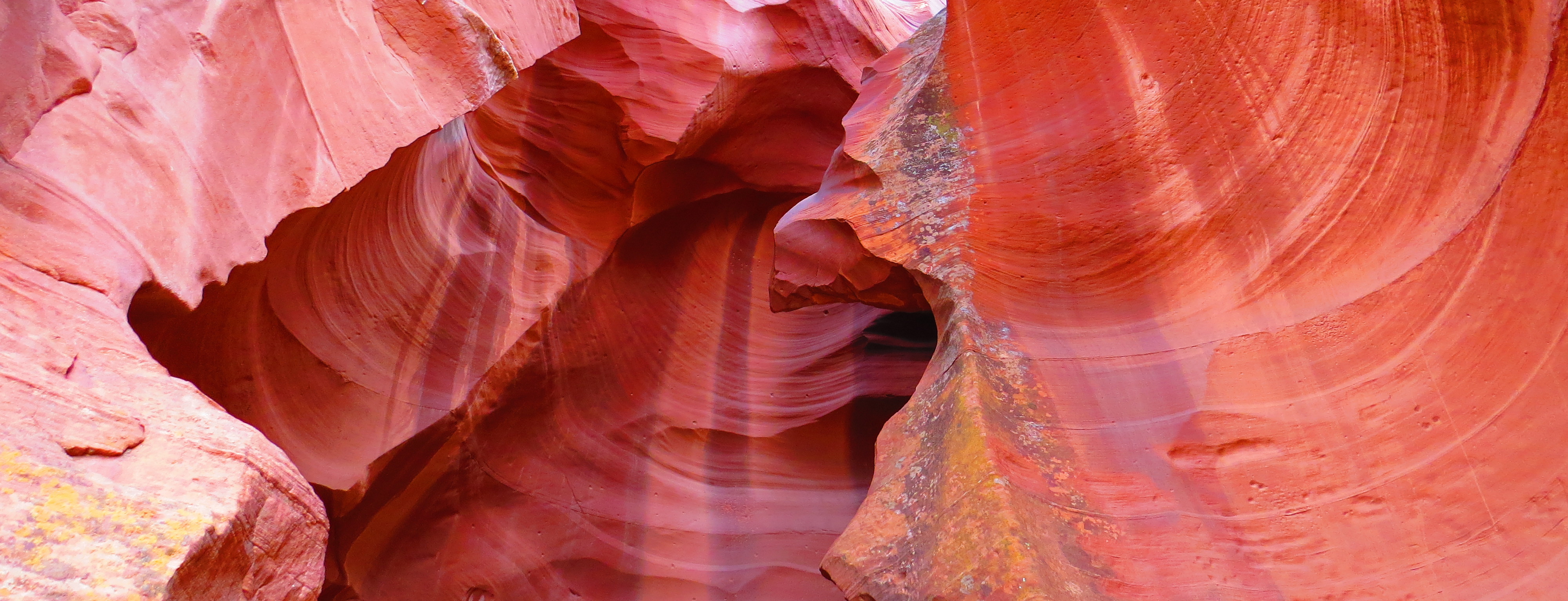 Upper Antelope Canyon, a slot in the Navajo Sandstone cut out by water erosion. In Navajo, Antelope is named Tsé bighánílíní, the place where the water runs through the rocks. While we were there it started to rain, and you could see the water pouring down the smooth walls, uncannily showing the potential of flash floods to rip through the slot. All the red rock in these photos is from iron oxide; rust, essentially, and I’ve intensified it here to bring out the contrasts in these positively sensual surfaces.
 Monument Valley’s buttes are composed of three separate layers of rock, each eroding at a different rate. It started to rain while we were here, too; water poured off the top of these, especially the aptly named Rain God Mesa, as waterfalls, doing their slow work.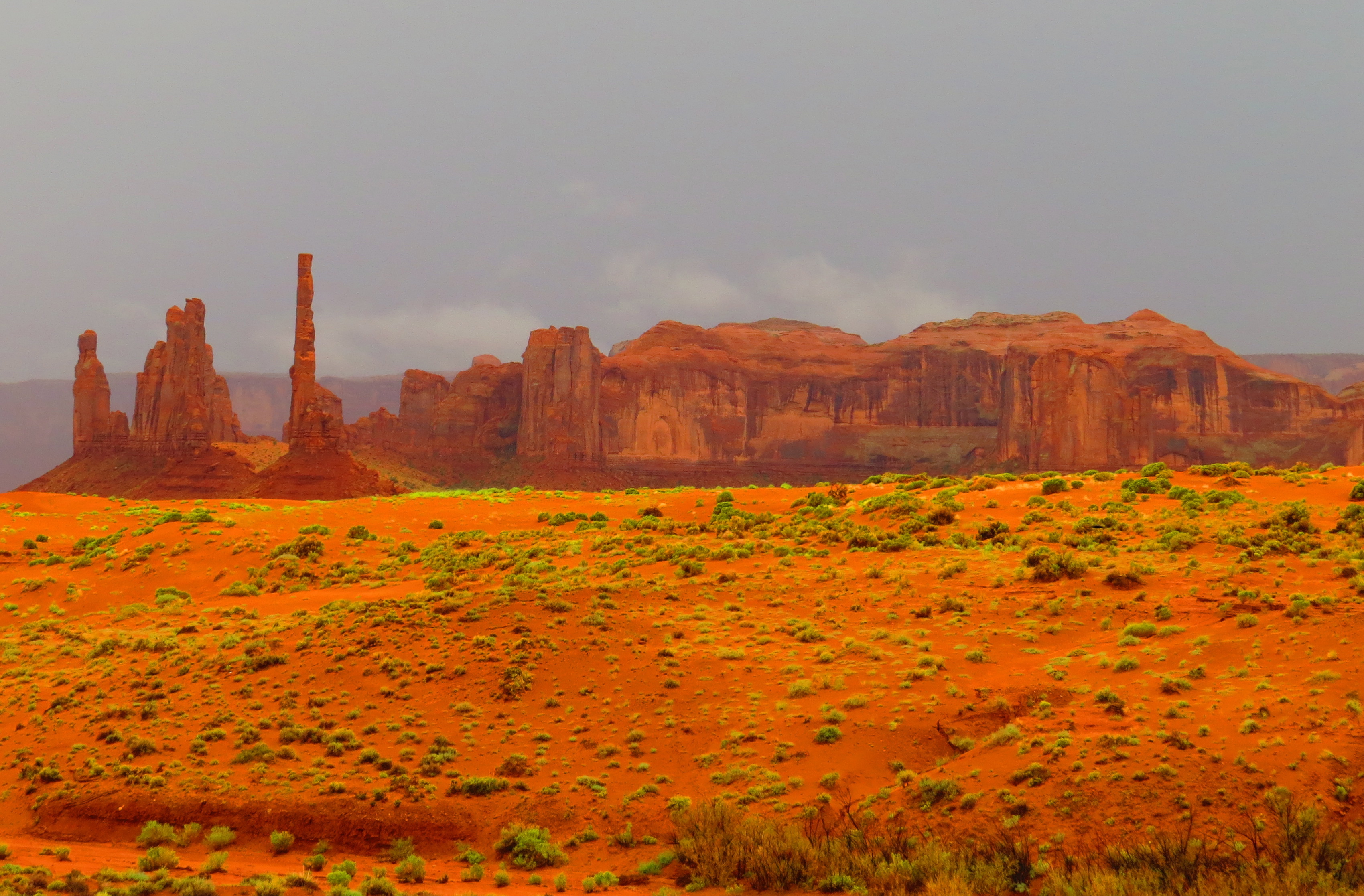
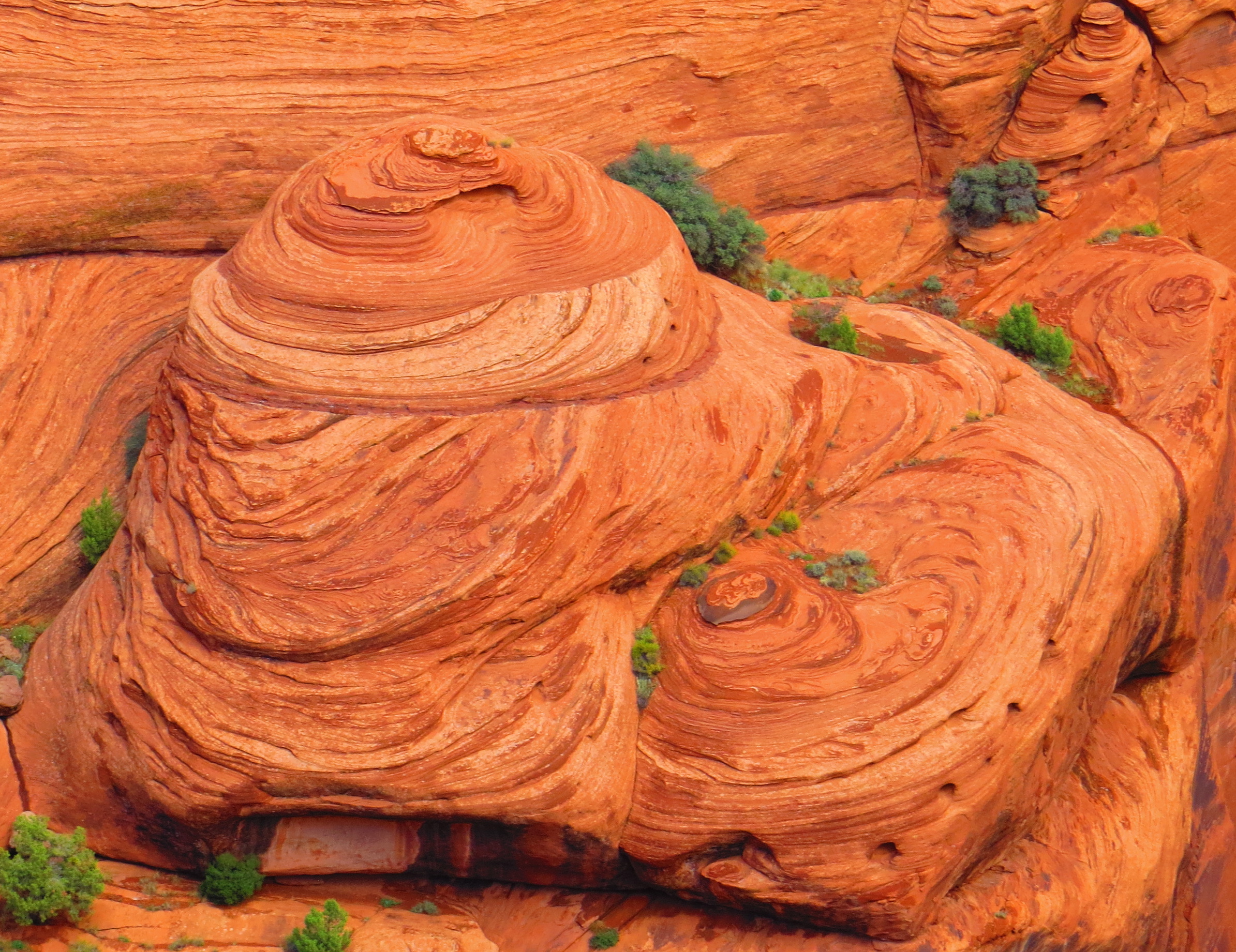 The inspiration for Jabba the Hutt? At Canyon de Chelly.
 Backyard and Beyond
Leave a comment